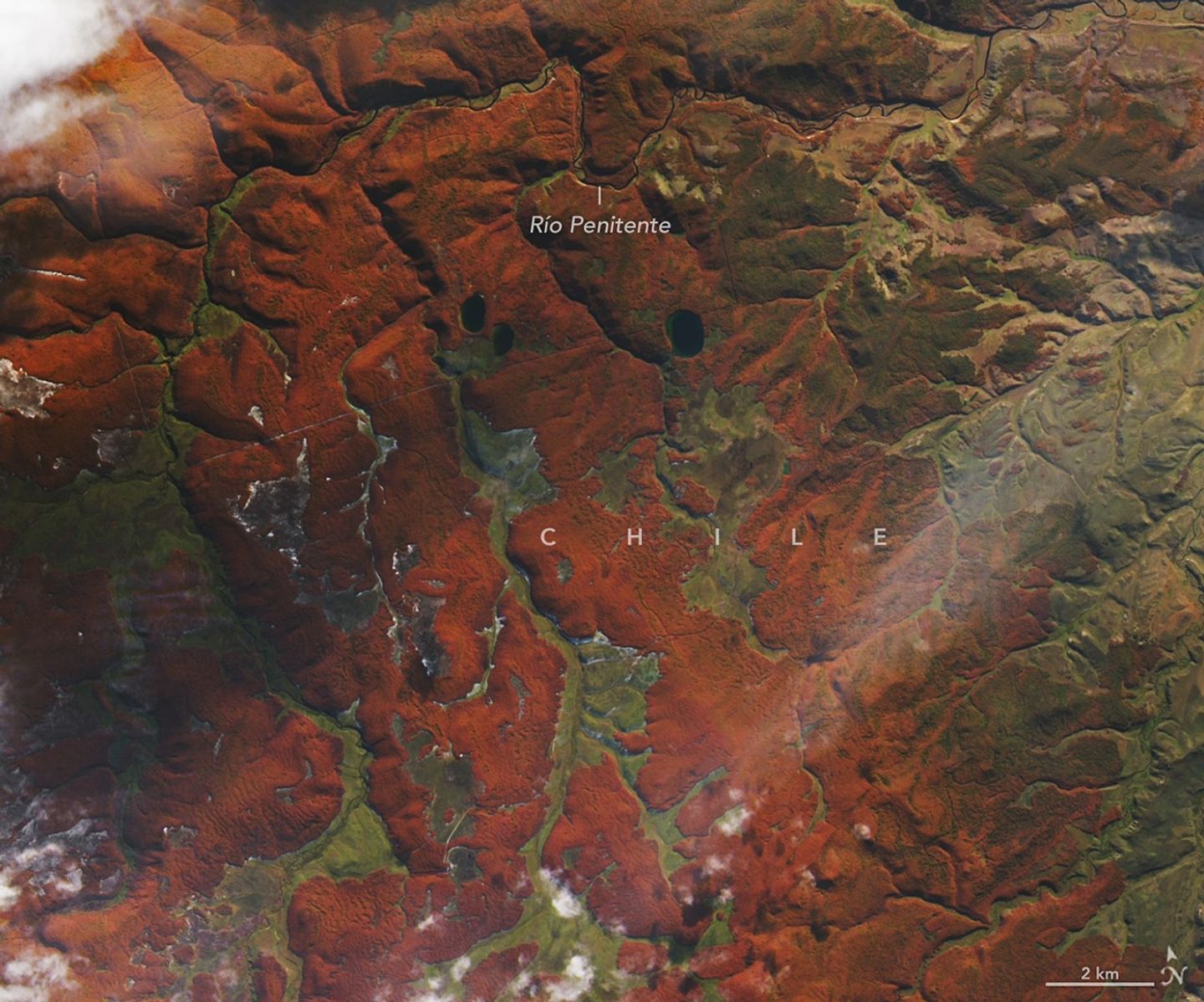
Fiery Fall Color in Southern Chile
The beech forests of southern Patagonia put on vibrant autumn displays.
Curated articles from sources across the web
The beech forests of southern Patagonia put on vibrant autumn displays.
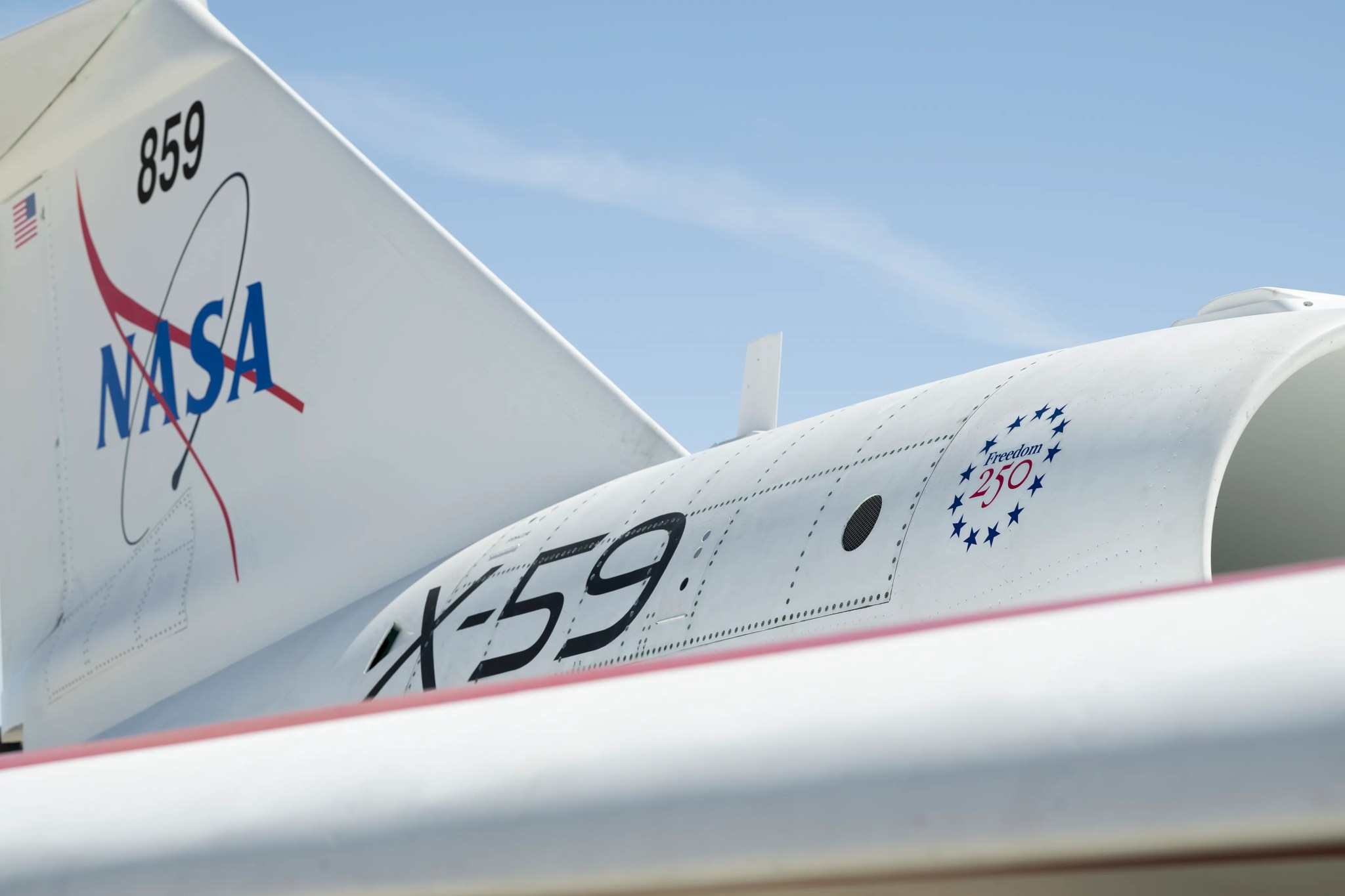
NASA’s X-59 is helping the nation celebrate the 250th anniversary of its independence with an update to its livery – its official paint job and insignia. The one-of-a-kind research aircraft is the centerpiece of NASA’s Quesst mission to demonstrate technology to fly supersonic, or faster than the sp...
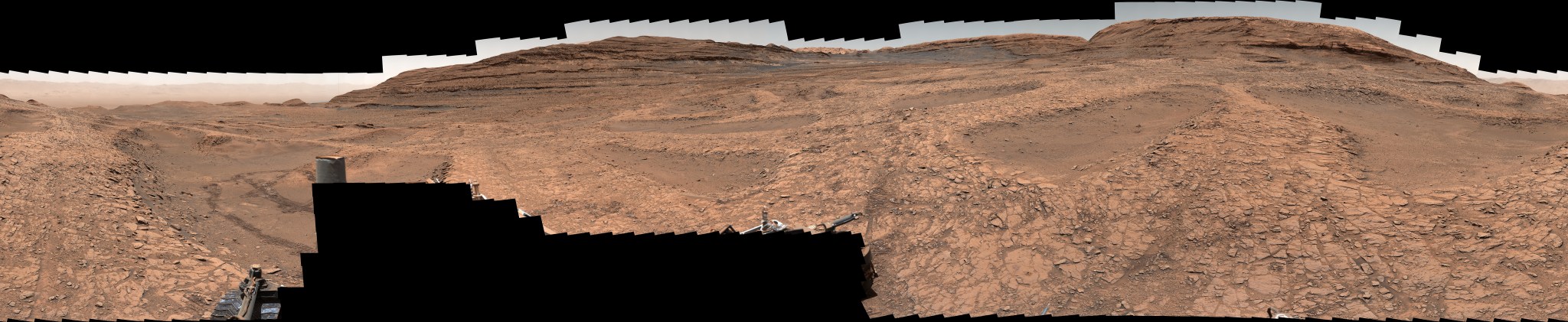
NASA’s Curiosity and Perseverance rovers have captured two 360-degree landscapes that highlight how the missions are revealing details of the Red Planet’s formation, watery past, and potential for life. Located 2,345 miles (3,775 kilometers) apart from each other on Mars — about the distance from Lo...
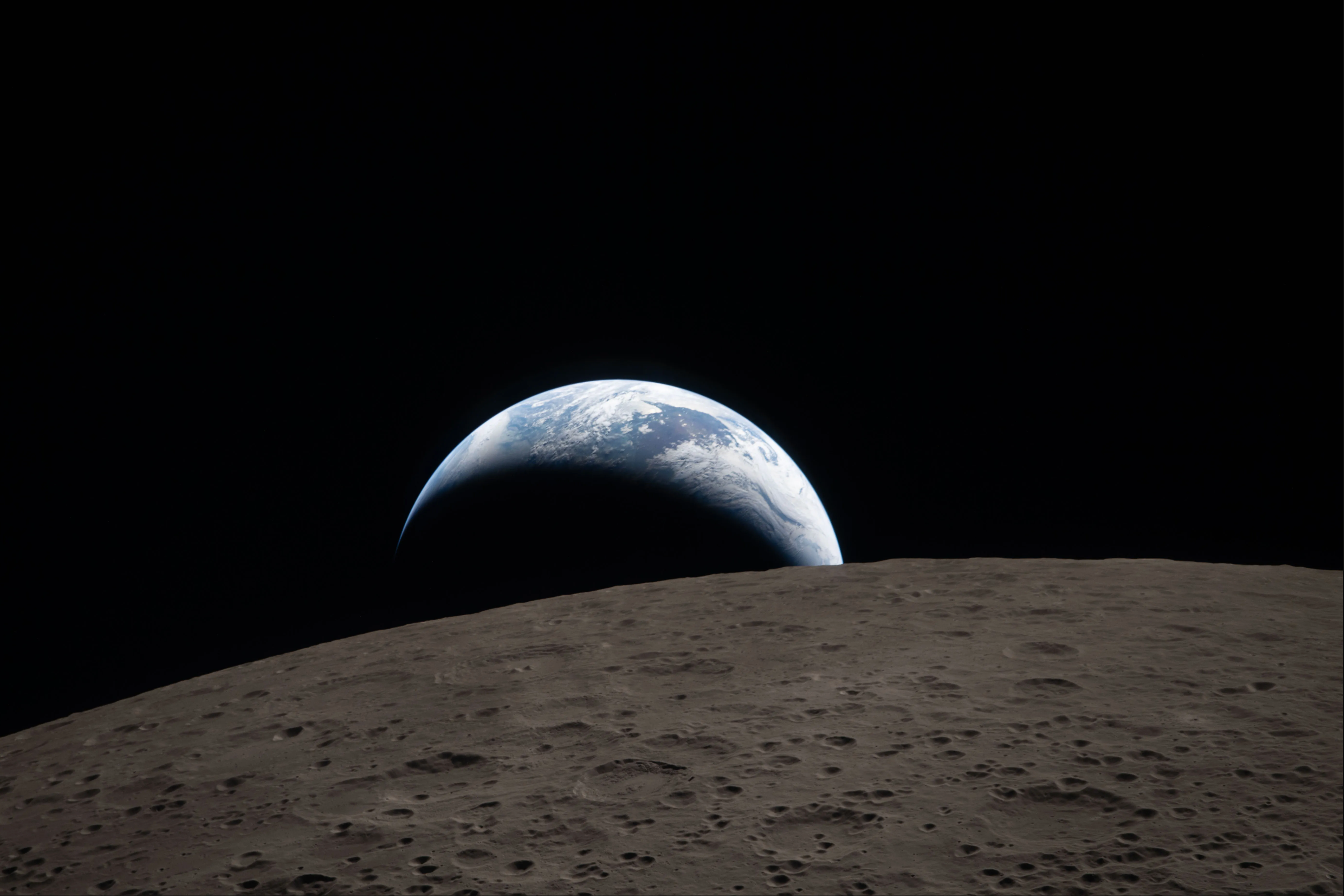
The second Artemis mission took four astronauts around the moon and back – the first crewed deep-space flight since 1972. Not everyone gets a chance to put on a space suit, but you can still be an important part of NASA’s human space exploration story by doing NASA science!
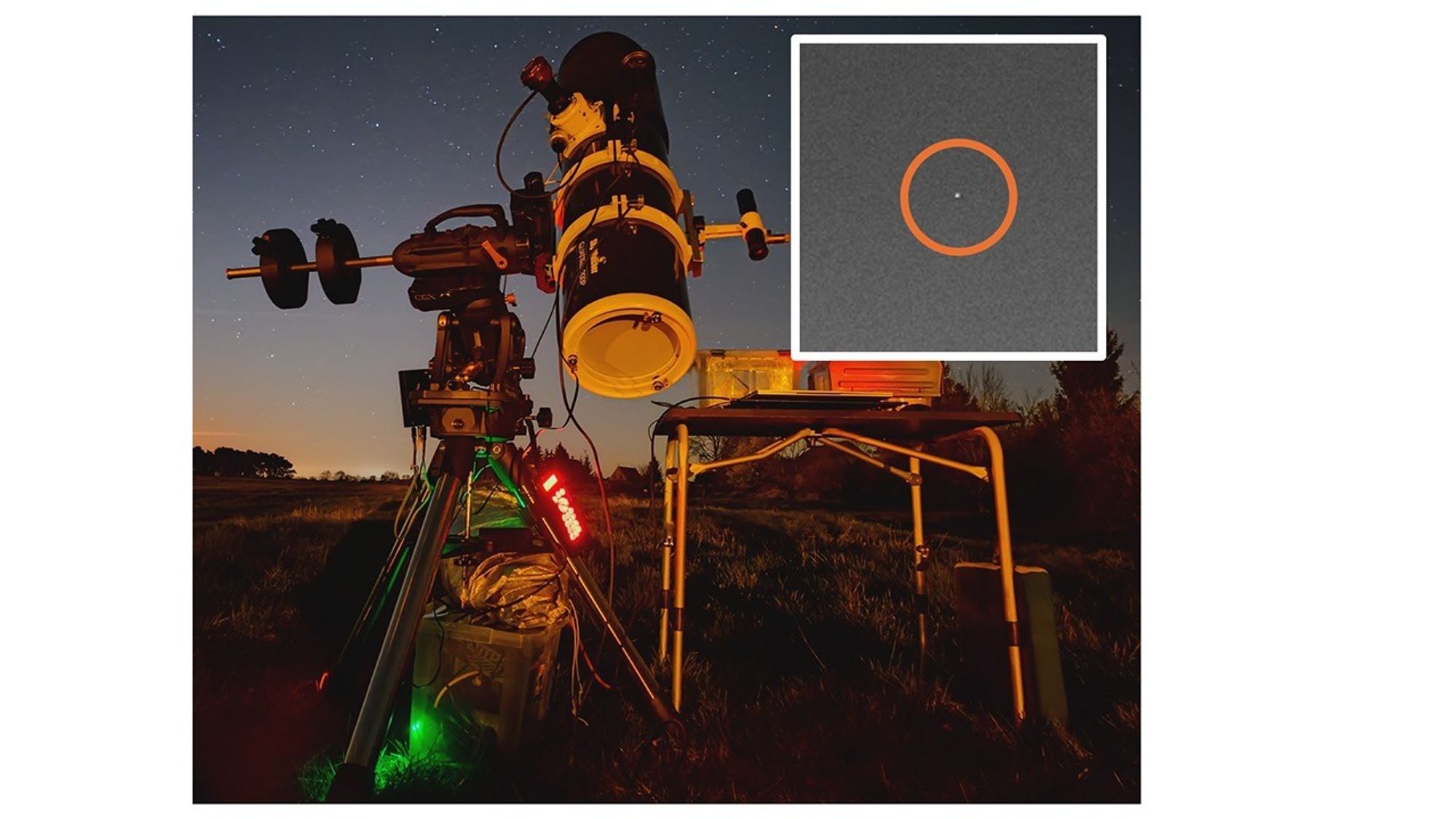
As NASA’s Artemis II astronauts zipped around the Moon in early April, they observed flashes of light caused by meteoroids hitting the lunar surface. At the same time, volunteers for the NASA-funded Impact Flash project scanned the Moon with their own telescopes and sent their videos to scientists t...
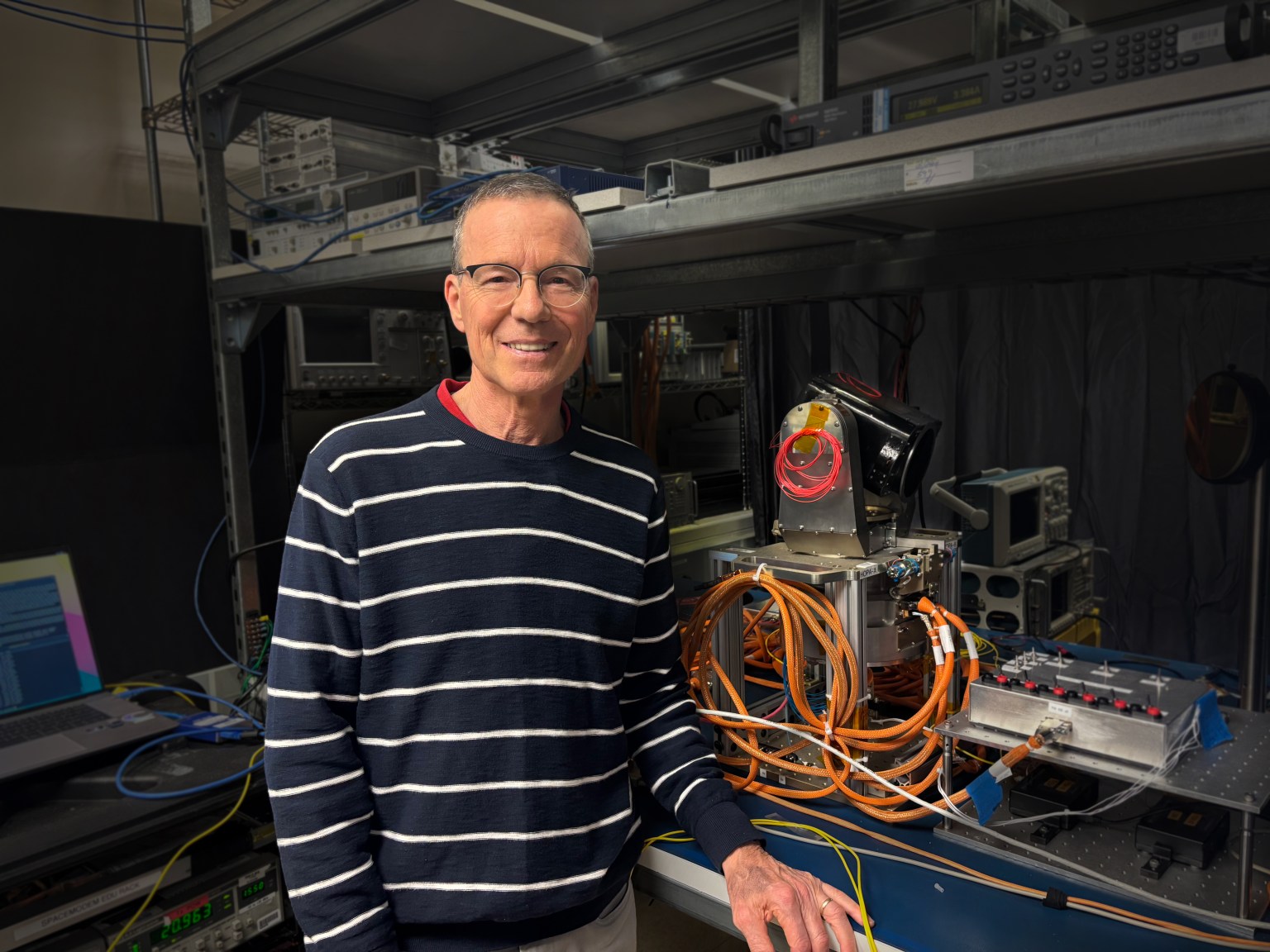
Listen to this audio excerpt from Peter Rossoni, Orion Artemis II Optical Communications System flight manager: As a child, Peter Rossoni watched the Apollo missions launch with his family. In April 2026, he became a part of NASA’s Artemis II mission, helping enable communications as astronauts jour...
This shimmering region of star-formation, a close-up of the Trifid Nebula about 5,000 light-years from Earth, was captured in intricate detail by NASA’s Hubble Space Telescope in an image released on April 20, 2026. The colors in Hubble’s visible light image, which marks the 36th anniversary of...
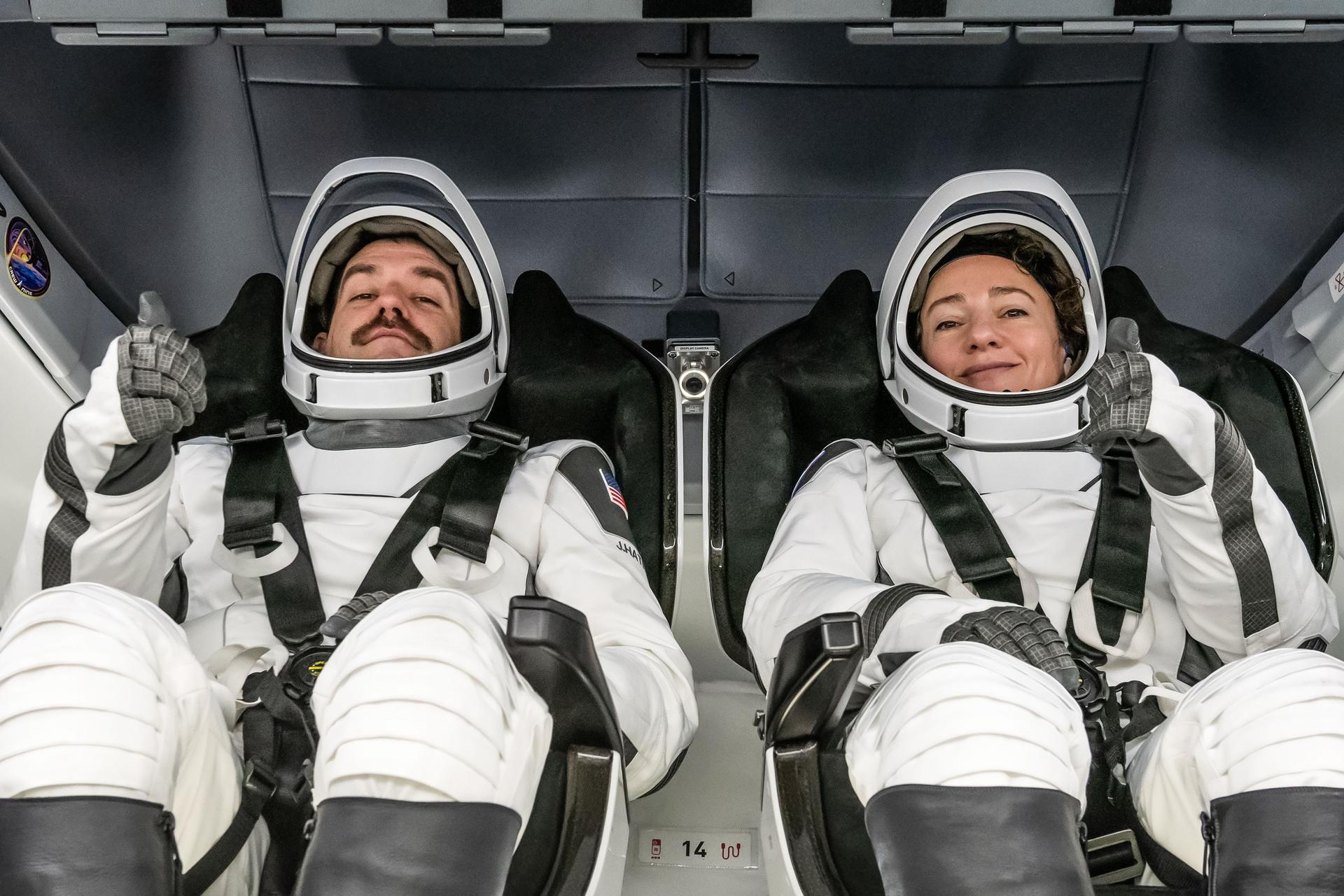
Students in Missouri will hear from NASA astronauts Jessica Meir and Jack Hathaway as they answer prerecorded science, technology, engineering, and mathematics (STEM) questions while aboard the International Space Station. The Earth-to-space call will begin at 10:50 a.m. EDT Thursday, April 30, and...
For 10 years, a NASA initiative has helped the agency produce breakthrough aeronautical innovations while fostering the aviation workforce of tomorrow – and the University Leadership Initiative (ULI) is still flying high, making awards with the potential to change 21st century air travel.&...
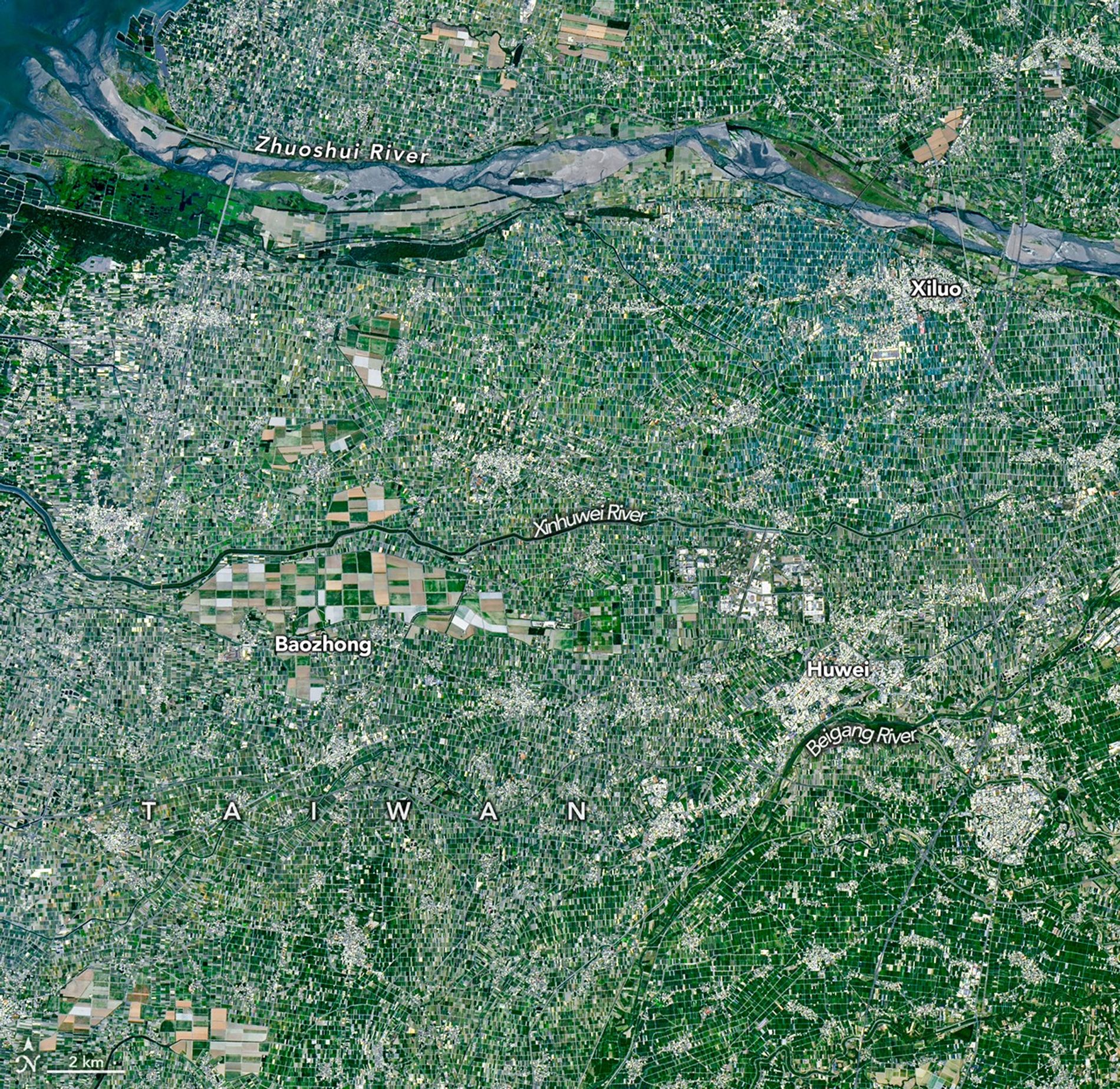
Diversity reigns across the farmland of Yunlin County in southwestern Taiwan—a region that produces an array of crops on small farms.
The National Space Club & Foundation announced its annual award recipients March 13, 2026, in Washington, D.C.   Two dedicated leaders from NASA’s Johnson Space Center were recognized for their contributions to human spaceflight.  Orion Program Manager Howard Hu received...
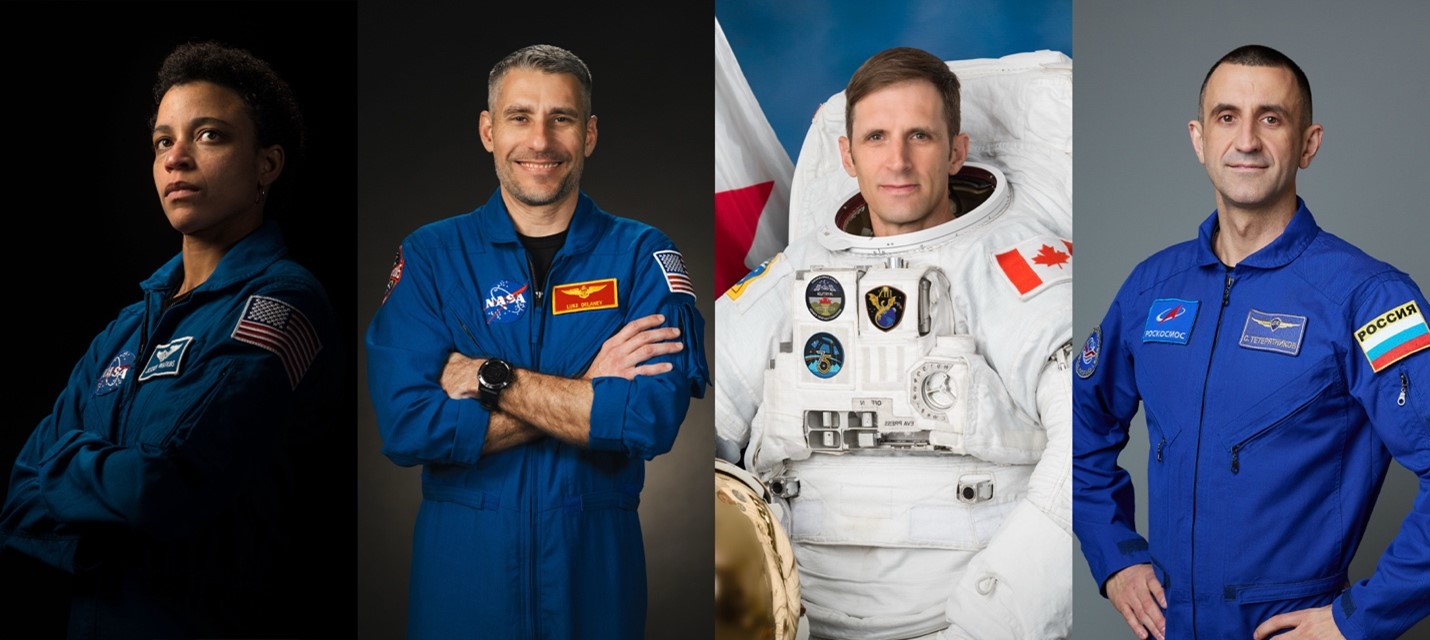
As part of NASA’s SpaceX Crew-13 mission, four crew members from three space agencies will launch no earlier than mid-September to the International Space Station for a long-duration science expedition. NASA astronauts Jessica Watkins and Luke Delaney will serve as spacecraft commander and pilot, re...
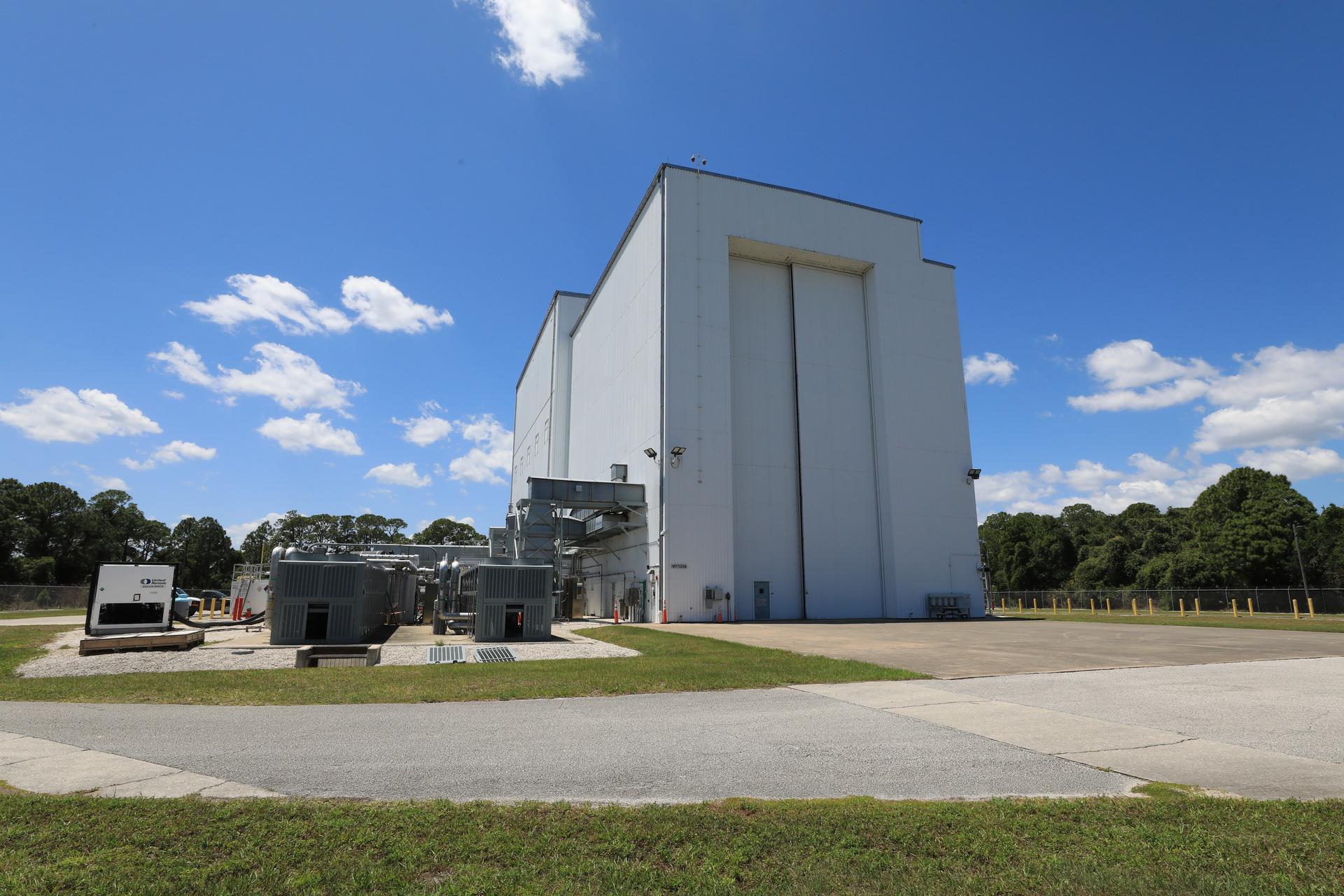
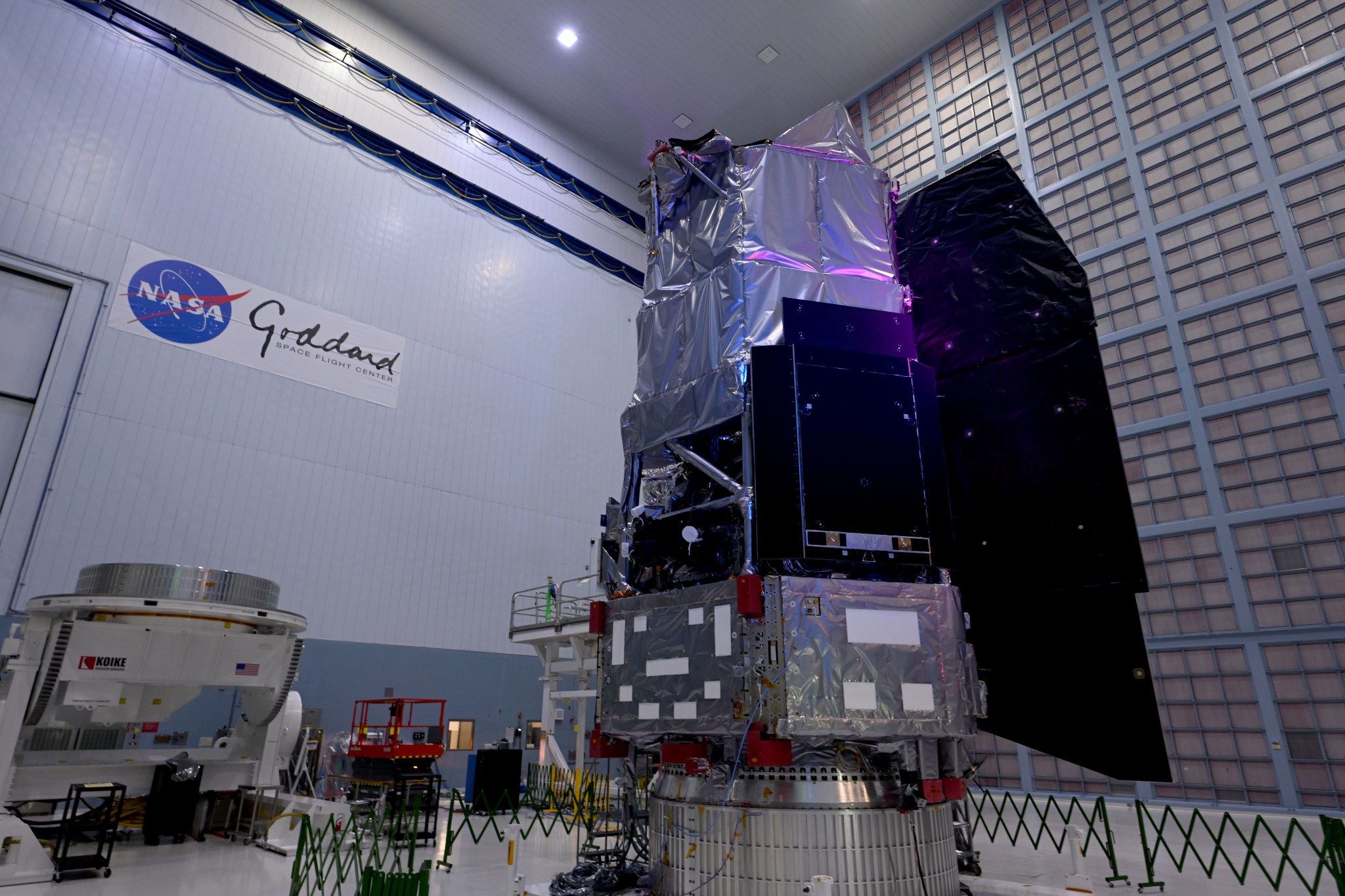
Preparations are underway for launch of NASA’s Nancy Grace Roman Space Telescope as soon as early September on a SpaceX Falcon Heavy rocket from Launch Complex 39A at NASA’s Kennedy Space Center in Florida. The Roman space telescope will provide deep, panoramic views of the cosmos, generating never-...
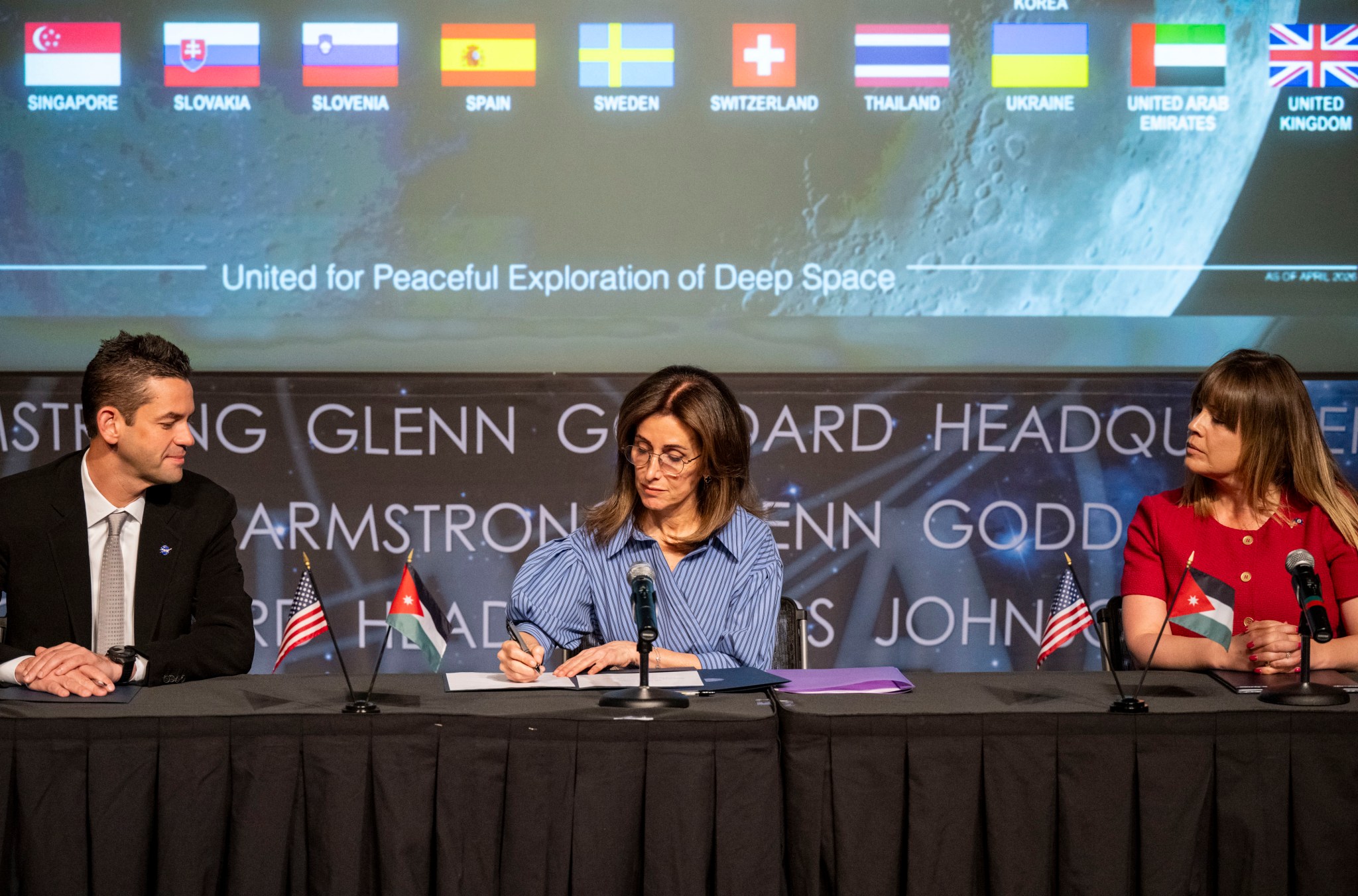
The Hashemite Kingdom of Jordan signed the Artemis Accords Thursday during a ceremony hosted by NASA at the agency’s headquarters in Washington, becoming the latest nation to commit to responsible space exploration to benefit humanity.  “It is my privile...
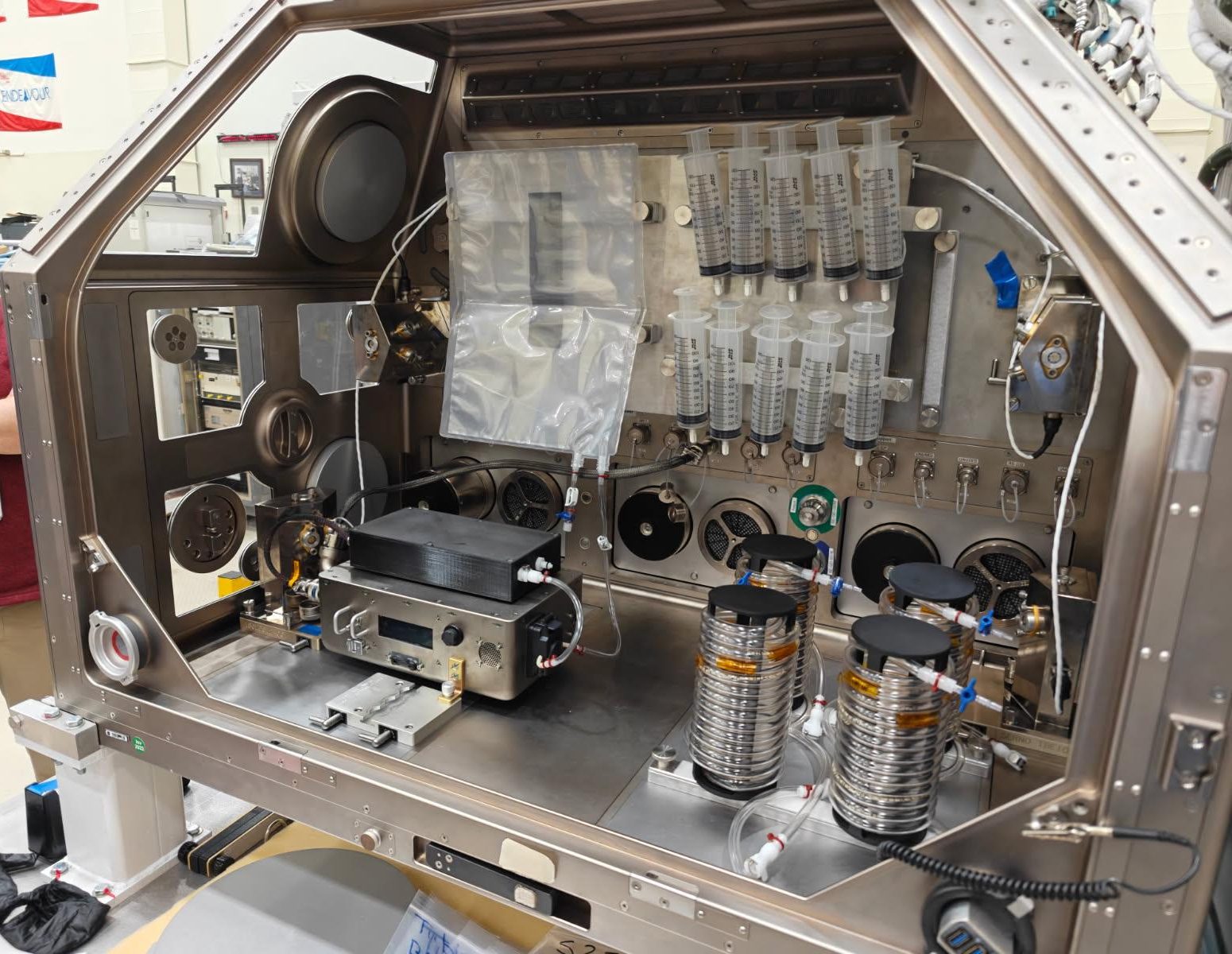
On every crewed mission, NASA packs pouches of a potentially life-saving liquid in its cargo, known as IV (or intravenous) fluid. A simple mix of sodium chloride and purified water, it can treat up to 30% of medical conditions in flight, resolving things like dehydration, burns, and more. Crewed mis...
For years, NASA engineers have turned to a tool called the Launch, Ascent, and Vehicle Aerodynamics (LAVA) framework to solve airflow challenges that could mean the difference between mission success or failure. When engineers need to know how a spacecraft will navigate re-entry or whether a new air...
These images, released on April 14, 2026, show two open star clusters, Trumpler 3 (left) and NGC 2353 (right). They represent a recent study from NASA’s Chandra X-ray Observatory that shows how young Sun-like stars are dimmer in X-rays than previously thought. This latest study looked at eight clust...
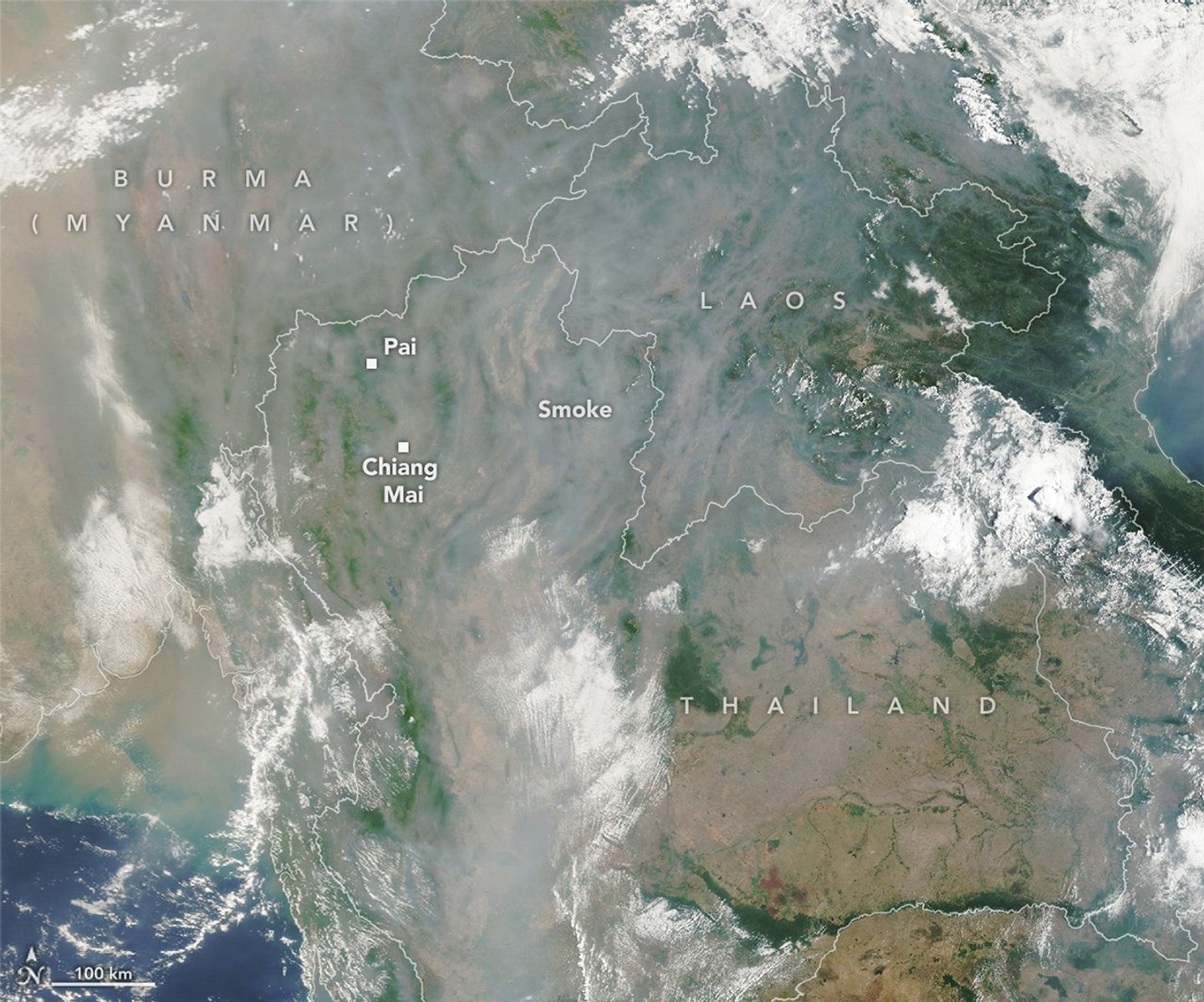
Seasonal fires have darkened skies over Southeast Asia.
https://www.nasa.gov/sbir_sttr/nasa-sbir-sttr-program-program-year-2026-information-hub
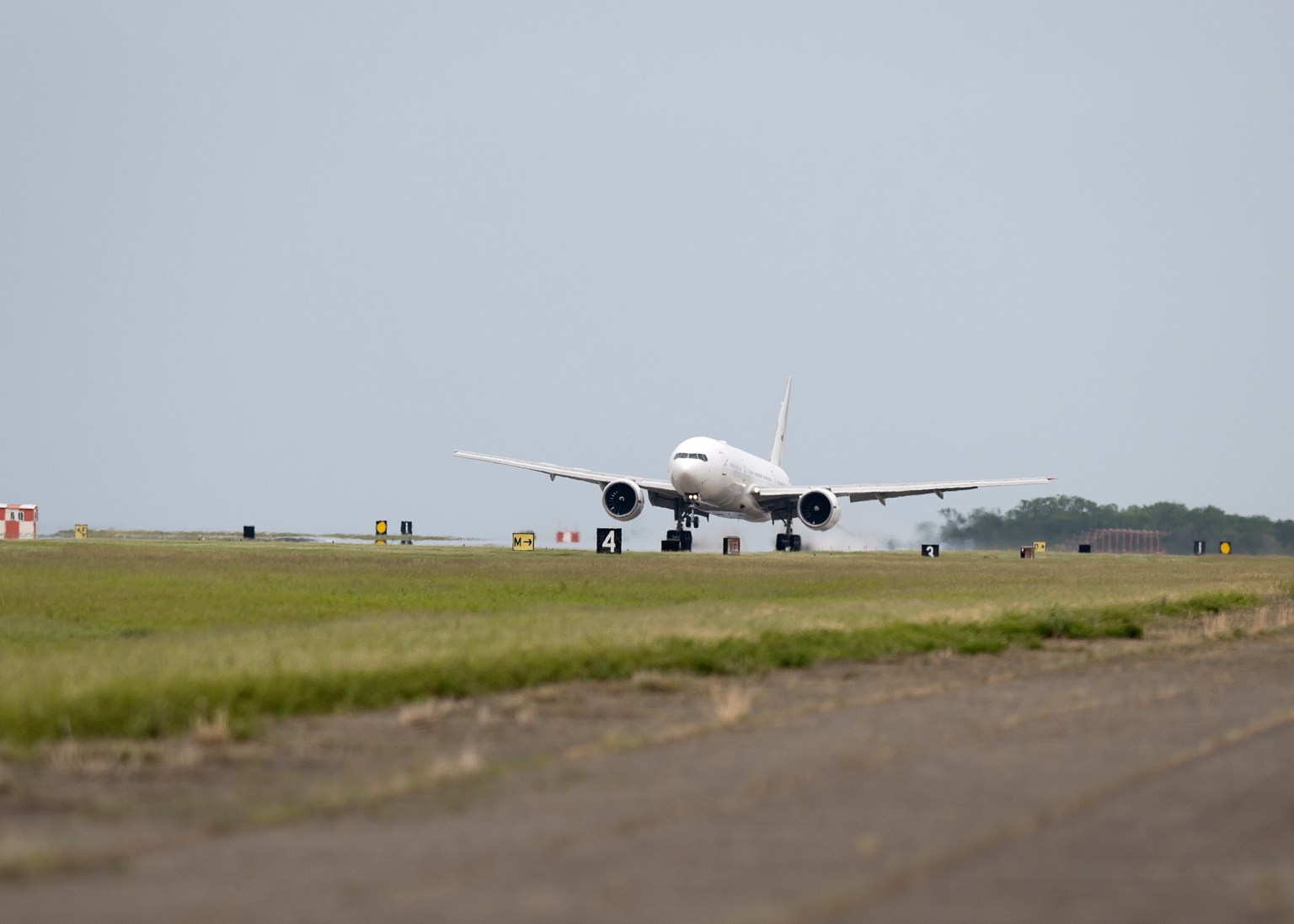
NASA’s Boeing 777 has returned to the agency’s fleet after undergoing heavy structural modifications as it transforms from a giant passenger plane into the agency’s next-generation airborne science laboratory. After a check flight and a three-hour transit from Waco, the aircraft returned to NASA’s L...
NASA’s Nancy Grace Roman Space Telescope team now is targeting as soon as early September 2026 for launch, ahead of the agency’s commitment to flight no later than May 2027. “Roman’s accelerated development is a true success story of what we can achieve when public investment, institutional ex...
NASA will host a news conference at 1:45 p.m. EDT Wednesday, April 29, from the agency’s Johnson Space Center in Houston to preview astronaut Anil Menon’s upcoming mission to the International Space Station. Watch the news conference live on NASA’s YouTube channel. Learn how to watch NASA content th...
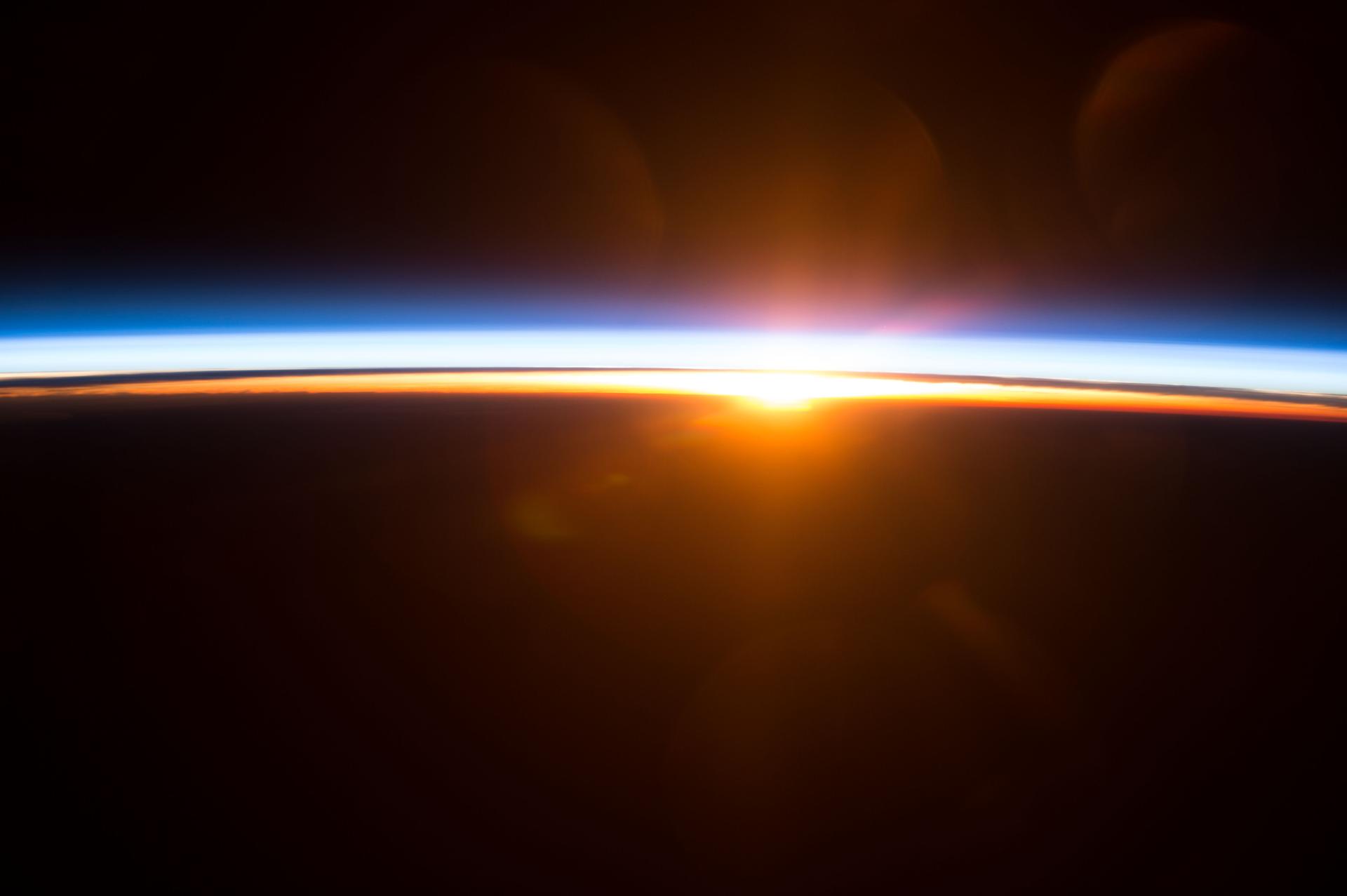
This image, released in celebration of Earth Day, shows the terminator – the line between night and day – on Earth. The Artemis II astronauts captured this view on April 2, 2026, during their journey to the Moon. NASA science improves life on Earth every day. The agency provides insights on our home...
From cameras pressed against spacecraft windows to the most powerful radar ever flown, imaging technology has taken giant leaps since 1968, but the drive to understand our home in the cosmos has remained.