Tracy Arm’s Post-Tsunami Landscape
A landslide-triggered tsunami stripped vegetation from the shore of the glacial fjord in summer 2025.
Curated articles from sources across the web
A landslide-triggered tsunami stripped vegetation from the shore of the glacial fjord in summer 2025.
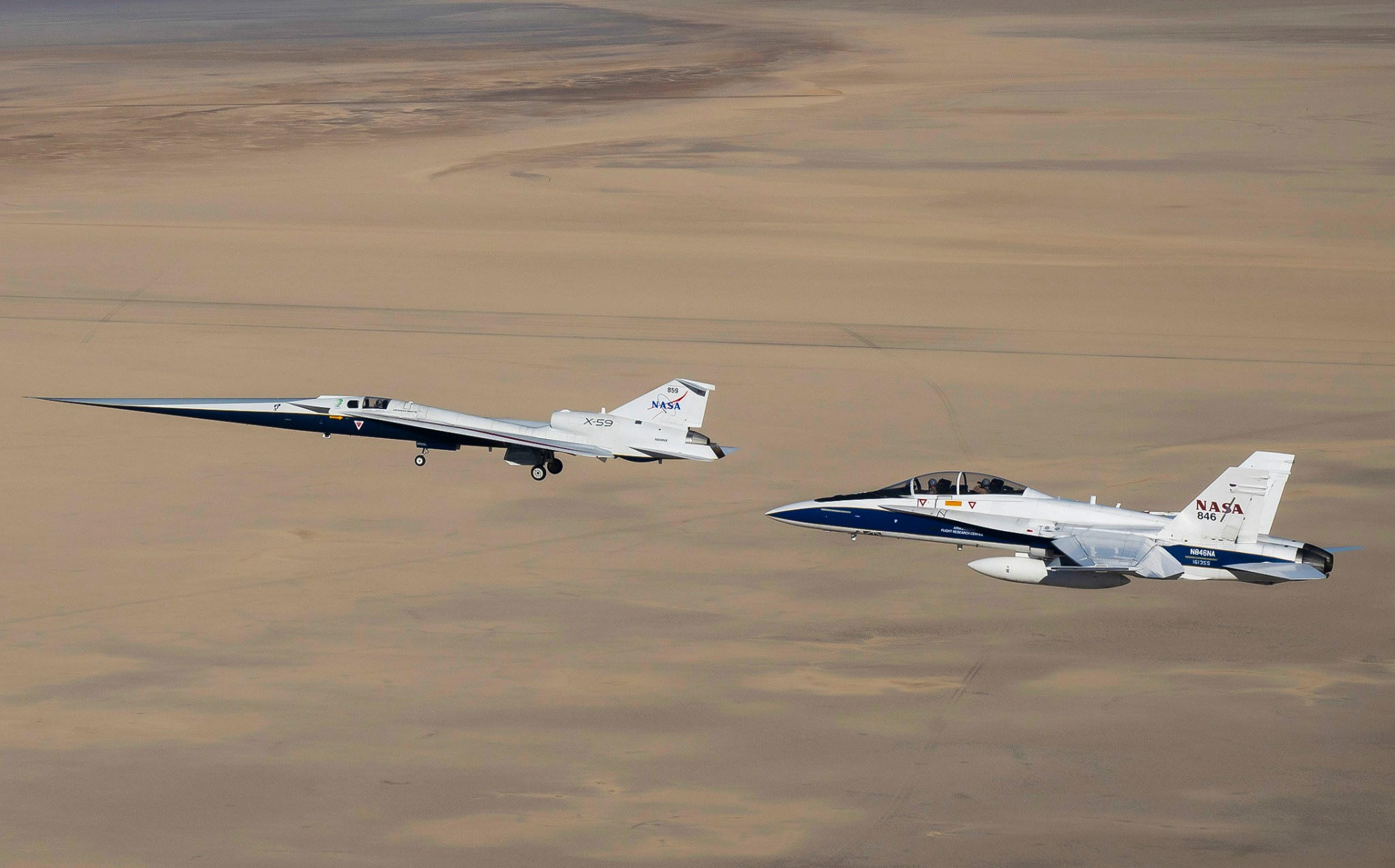
NASA’s home for experimental flight is welcoming more flyers to its already high-performing fleet as it continues to support science and aeronautics test missions – continuing the legacy of pioneers like Neil Armstrong. NASA’s Armstrong Flight Research Center in Edwards, California, added multiple a...
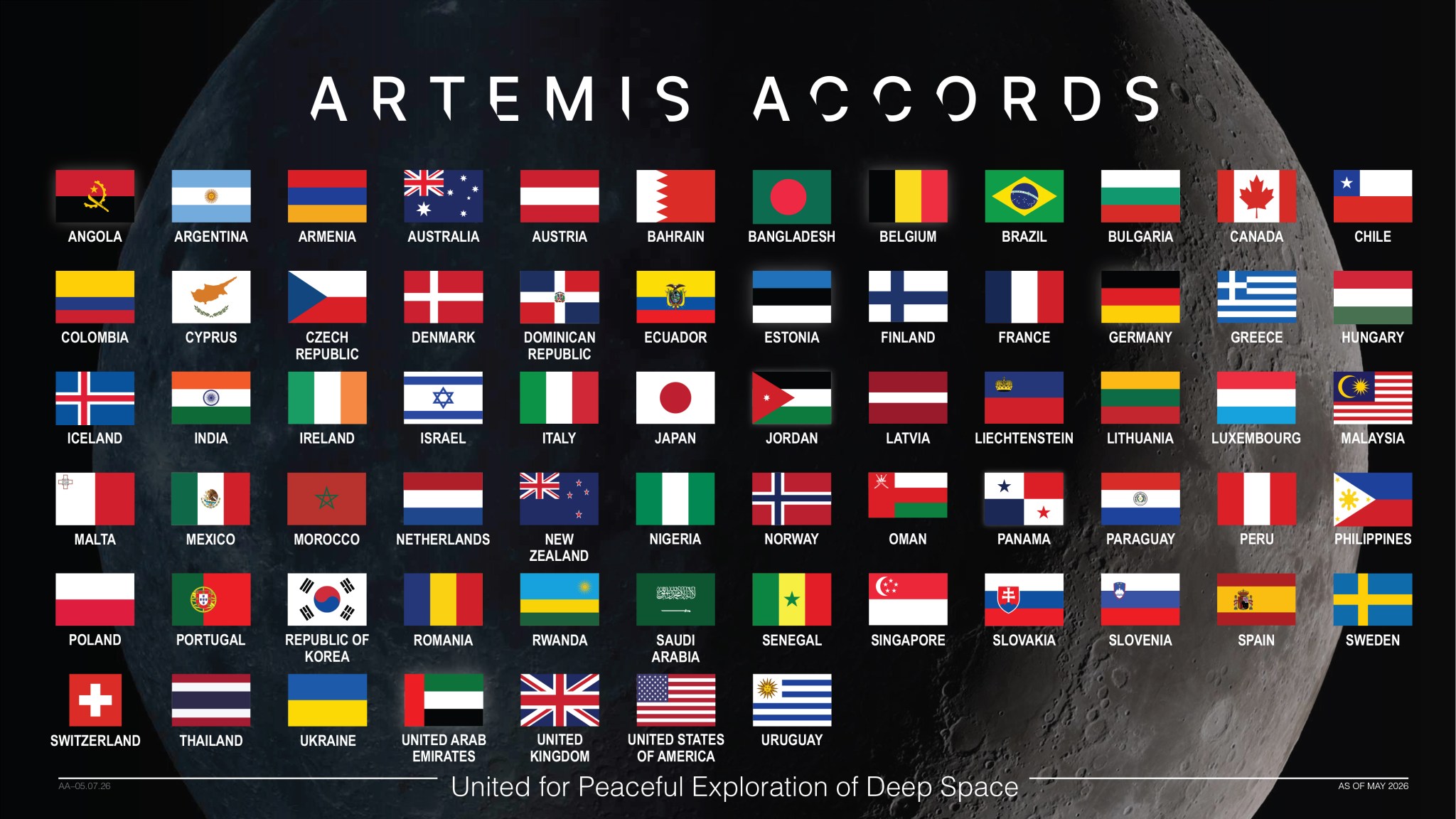
The Republic of Paraguay signed the Artemis Accords on Thursday during a ceremony in Asunción, becoming the latest nation to commit to the shared principles guiding civil space exploration. “Today, I am proud to welcome Paraguay as the 67th signatory to the Artemis Accords,” said NASA Administrator...
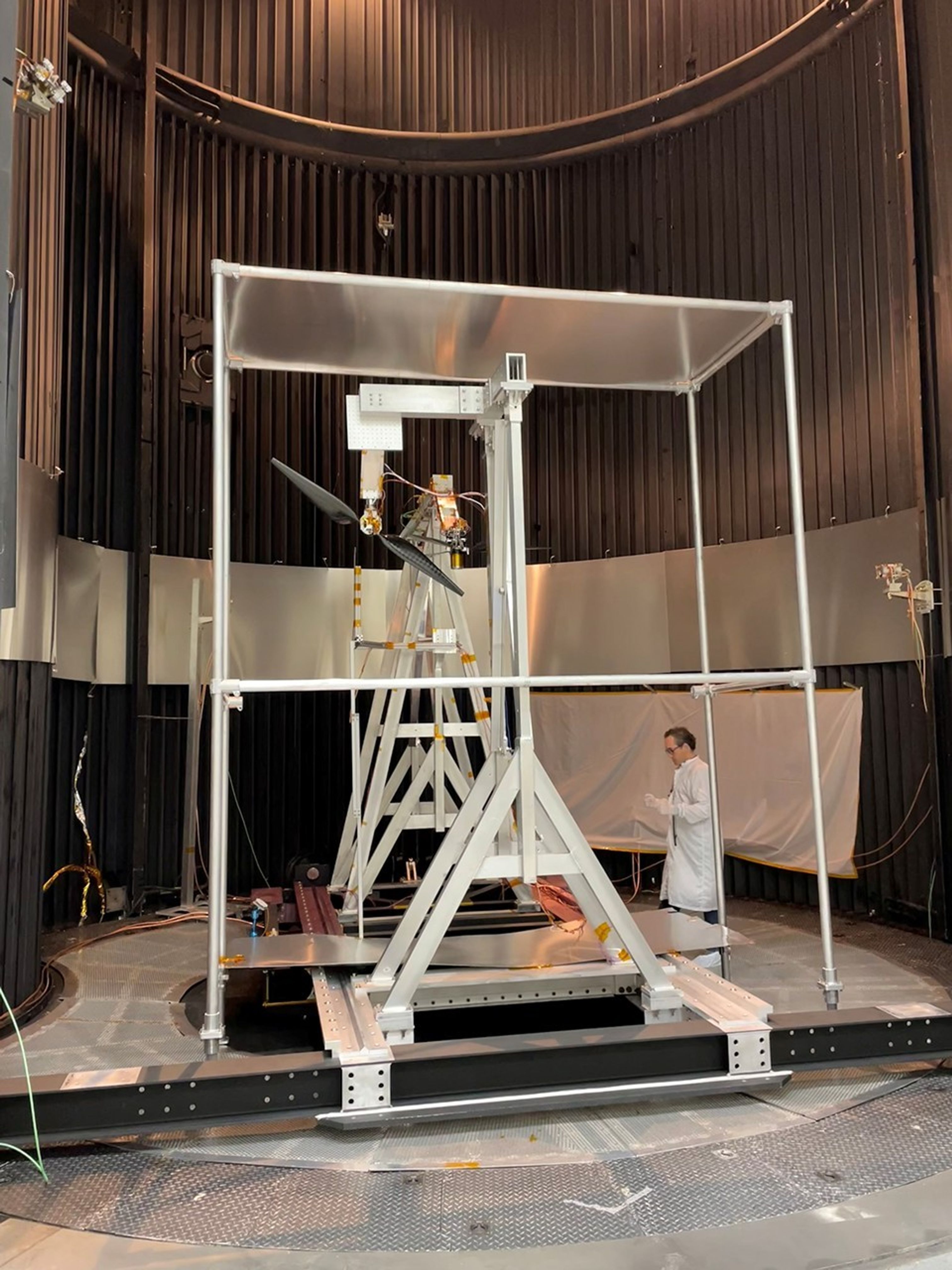
Description Engineer Fernando Mier-Hicks inspects a test stand used to investigate the performance of next-generation Mars helicopter rotor blades at high speeds inside the 25-Foot Space Simulator at NASA’s Jet Propulsion Laboratory in Southern California in November 2025. Data from the tests indica...
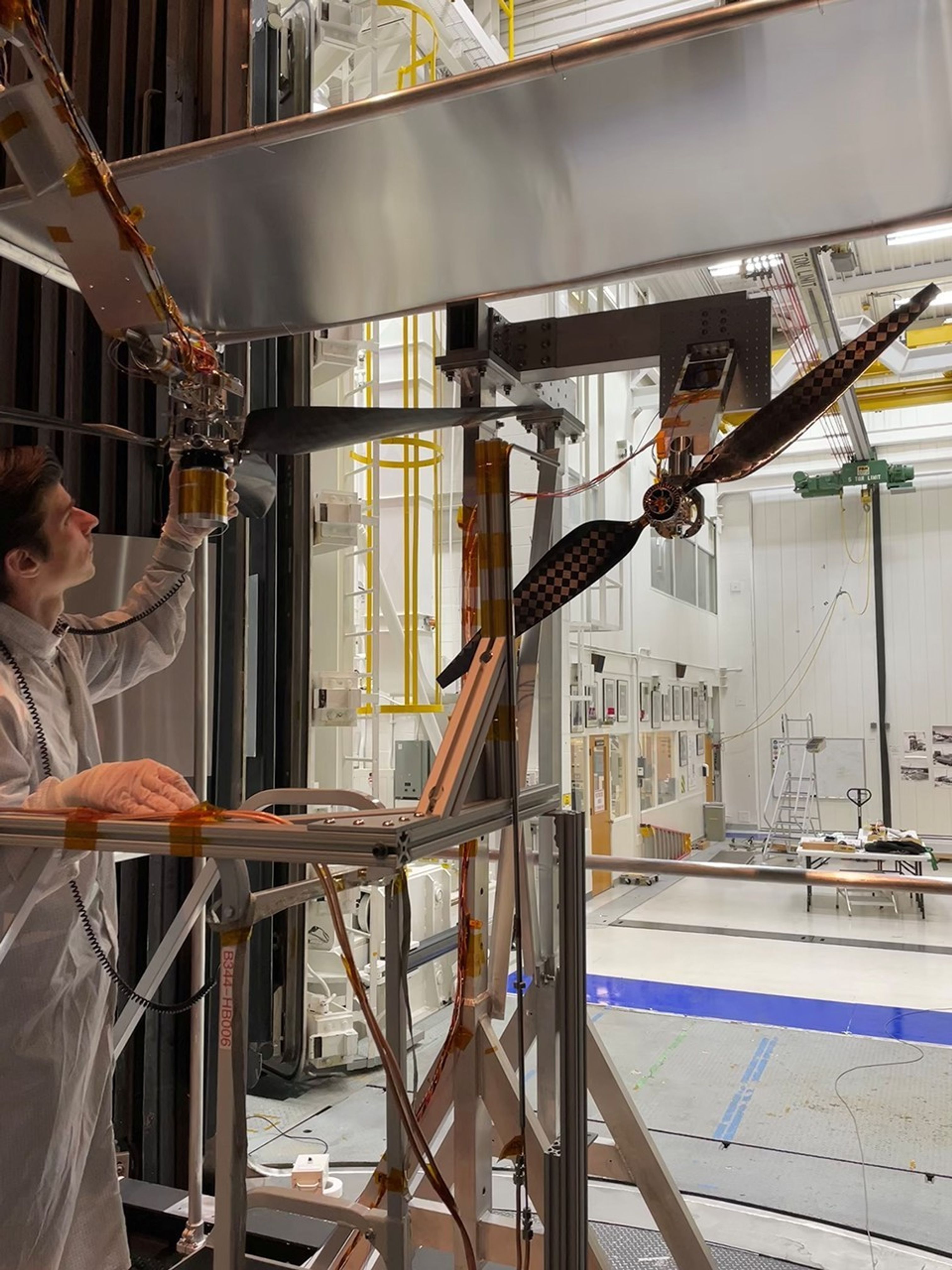
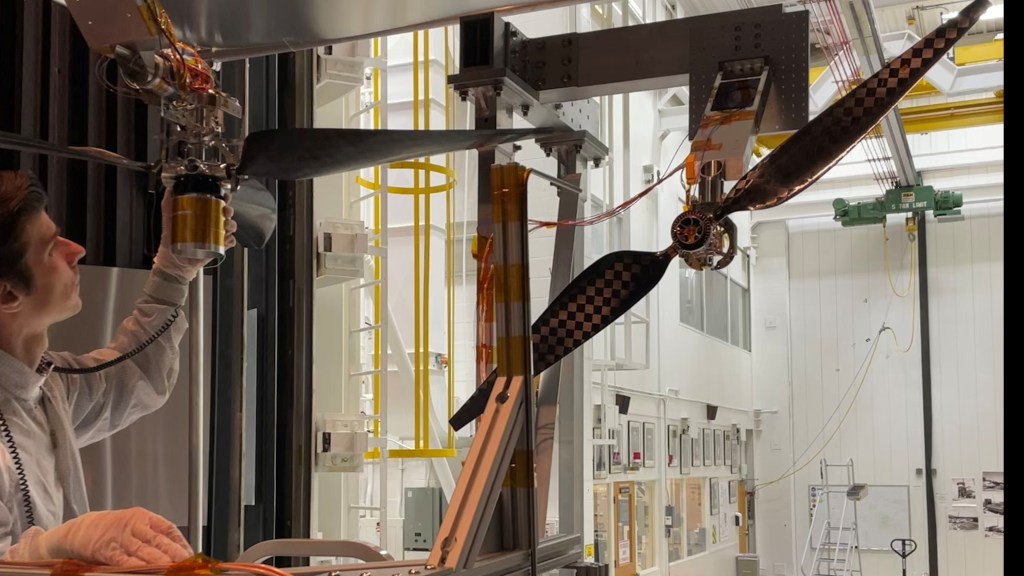
Description Engineer Jaakko Karras inspects a next-generation Mars helicopter rotor blade prior to supersonic speed testing in the 25-Foot Space Simulator at NASA’s Jet Propulsion Laboratory in Southern California in November 2025. The three-bladed rotor hanging horizontally in the foreground is the...
The rotor blades that will carry NASA’s next-generation helicopters to new Martian heights broke the sound barrier during March tests at NASA’s Jet Propulsion Laboratory in Southern California. Data from the tests, which took place in a special chamber that can simulate environmental conditions on t...
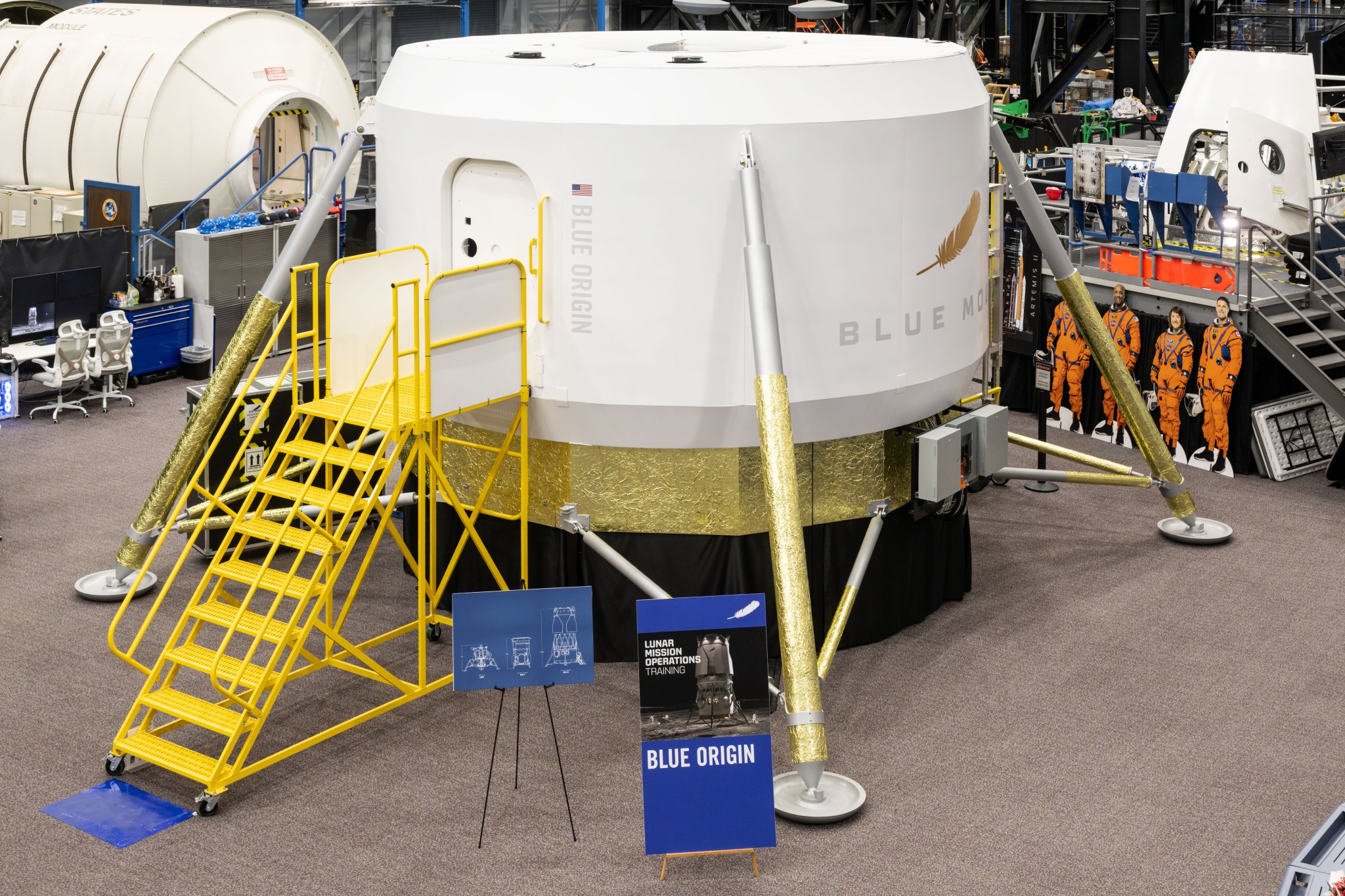
A full-scale mock-up of a crew cabin for a future industry lunar lander for NASA’s Artemis program now is operational for training and testing. The agency and its industry partners will use Blue Origin’s Blue Moon Mark 2 crew cabin for mission simulations as the agency prepares to dock with landers...
A thin sliver of Earth’s edge is brightly illuminated against the vast darkness of space in this April 3, 2026, image taken during the Artemis II mission. Artemis II was the first crewed flight in a series of missions to test NASA’s human deep space capabilities, paving the way for future luna...
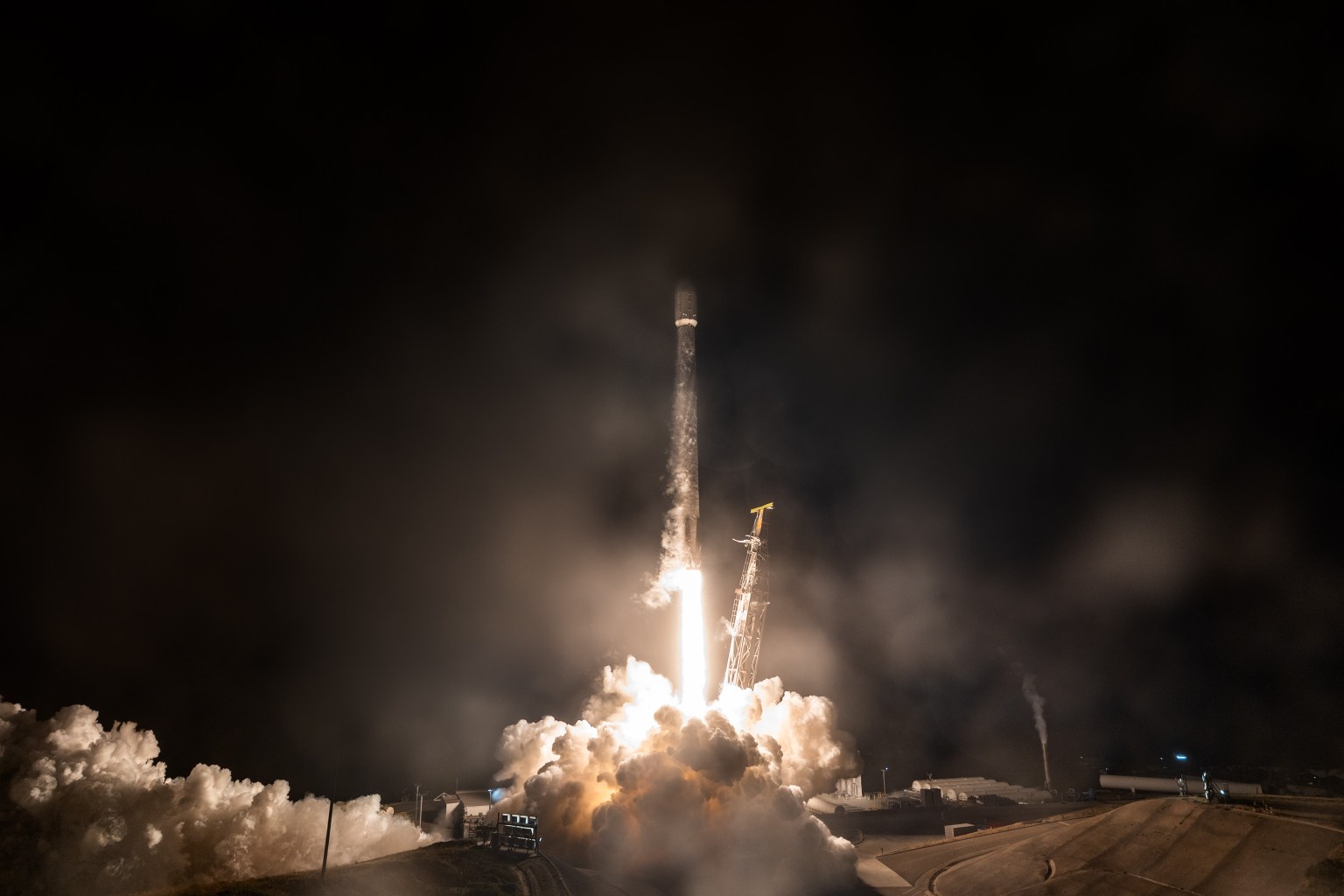
Through NASA, a university-designed small spacecraft is paving the way to studying particles, known as neutrinos, that move through the universe at near-light speeds. The Solar Neutrino Astro-Particle PhYsics CubeSat, known as SNAPPY, launched at 12 a.m. PDT on Sunday aboard a SpaceX Falcon 9 rocket...
A team of researchers demonstrated NASA and IBM’s open-source Prithvi Geospatial artificial intelligence foundation model aboard two in-orbit platforms.
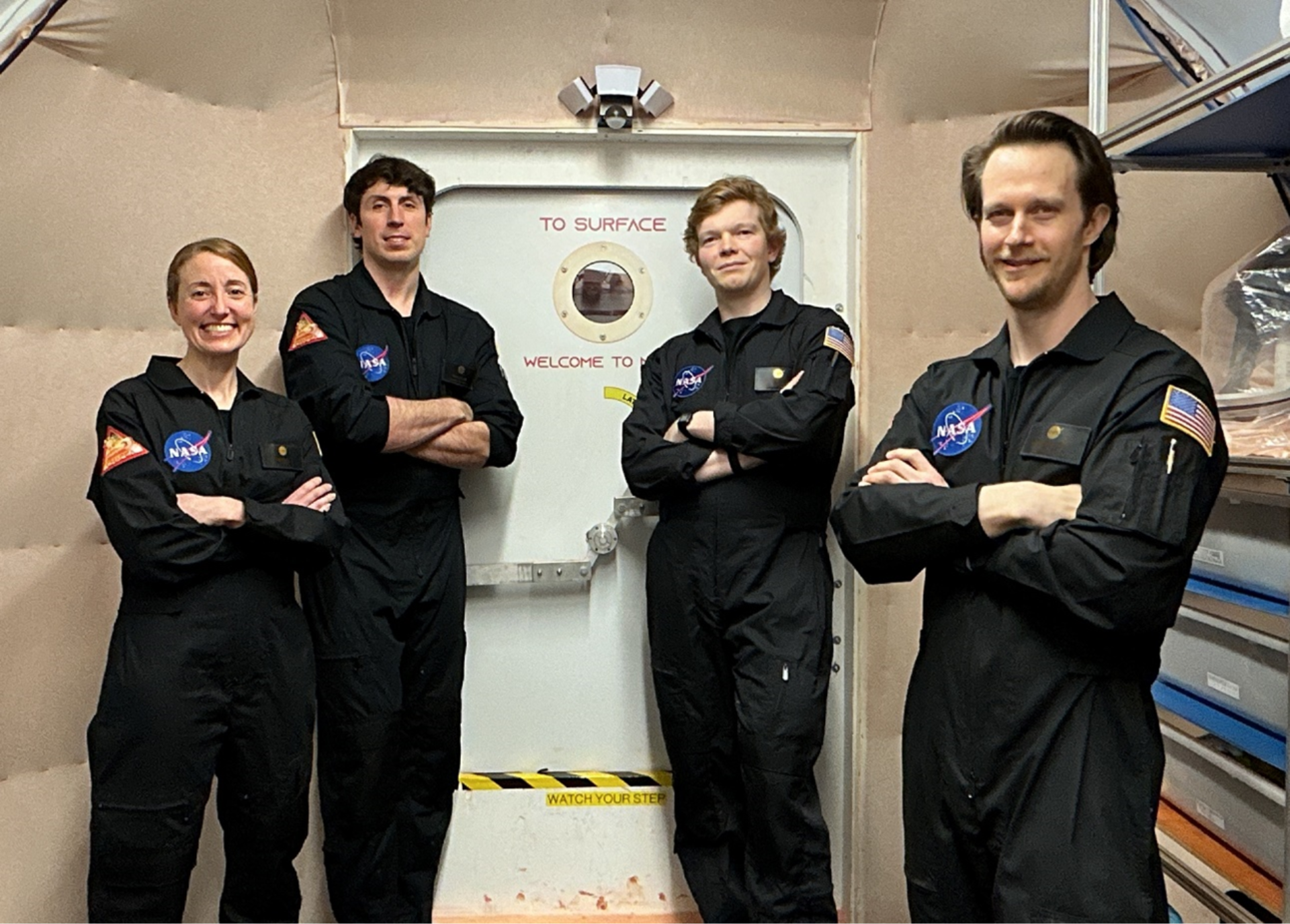
The four crew members of NASA’s Mars simulation recently marked 200 days into their 378-day Red Planet mission on May 7. Currently, the crew is in a simulated two‑week loss‑of‑signal period that mimics a Mars-Earth communications blackout when Mars moves behind the Sun. During this blackout, the cre...
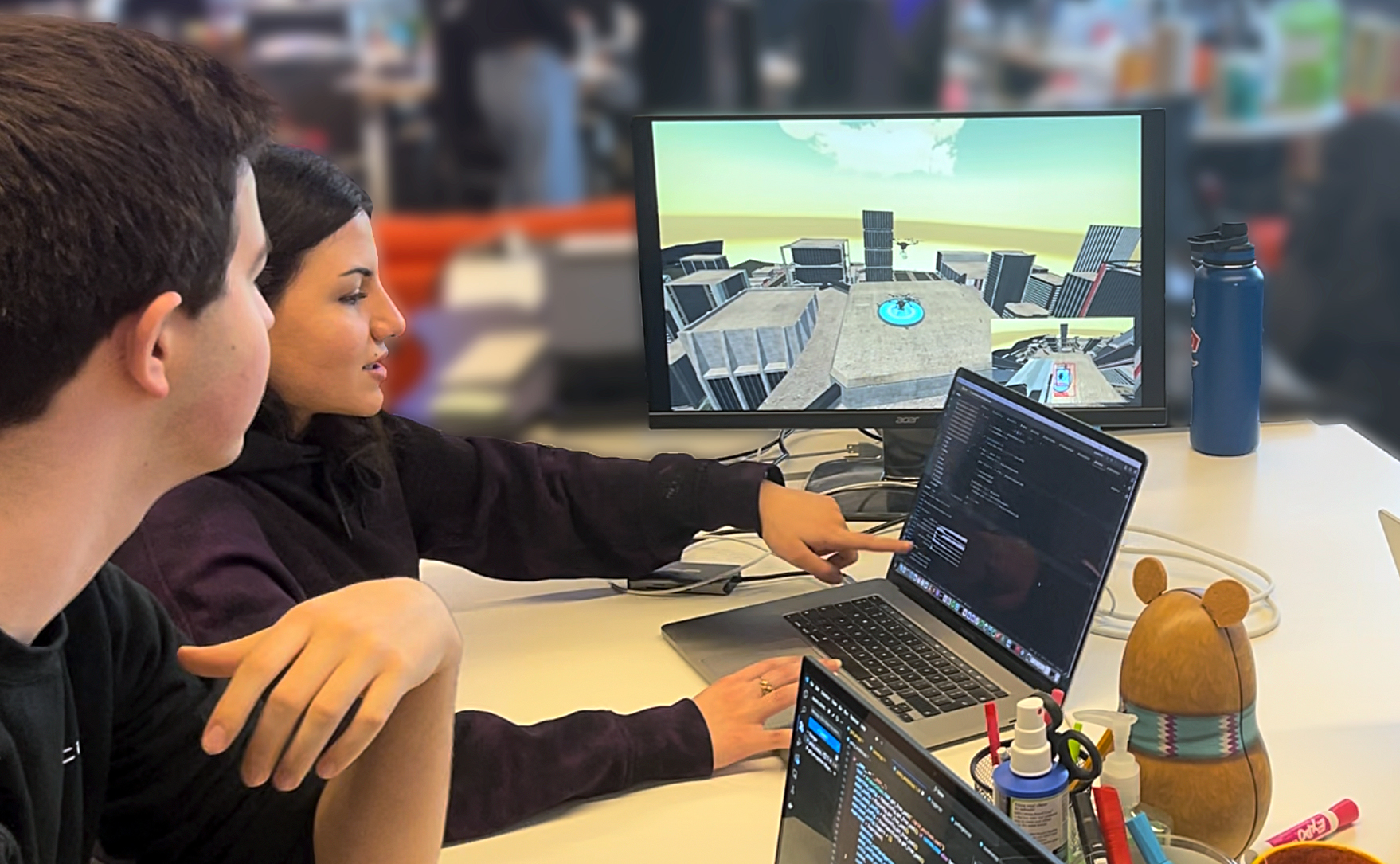
A team of Cornell University students are turning heads within industry and the federal government with the results of their research into creating a national air transportation management system in which thousands of drones could safely operate together. NASA is sponsoring their work through the Un...
NAS Ames Science Directorate Stars of the Month: May 2026 The NASA Ames Science Directorate recognizes the outstanding contributions of (pictured left to right) Lora Jovanavić, Tammy Moore, Frances Donovan, and Jaden Ta. Their commitment to the NASA mission represents the entrepreneurial spirit, tec...
NASA advances aeronautics and space technologies through experimental aircraft and flight research at the agency’s Armstrong Flight Research Center in Edwards, California. Behind those efforts is the Dryden Aeronautical Test Range (DATR), which provides the communications, tracking, and data service...
To facilitate discussion and information sharing on activities at NASA’s Wallops Flight Facility in Virginia, a public information session is being held 4–6 p.m., Wednesday, May 13, at the NASA Wallops Visitor Center.  During the event, NASA will have information booths on t...
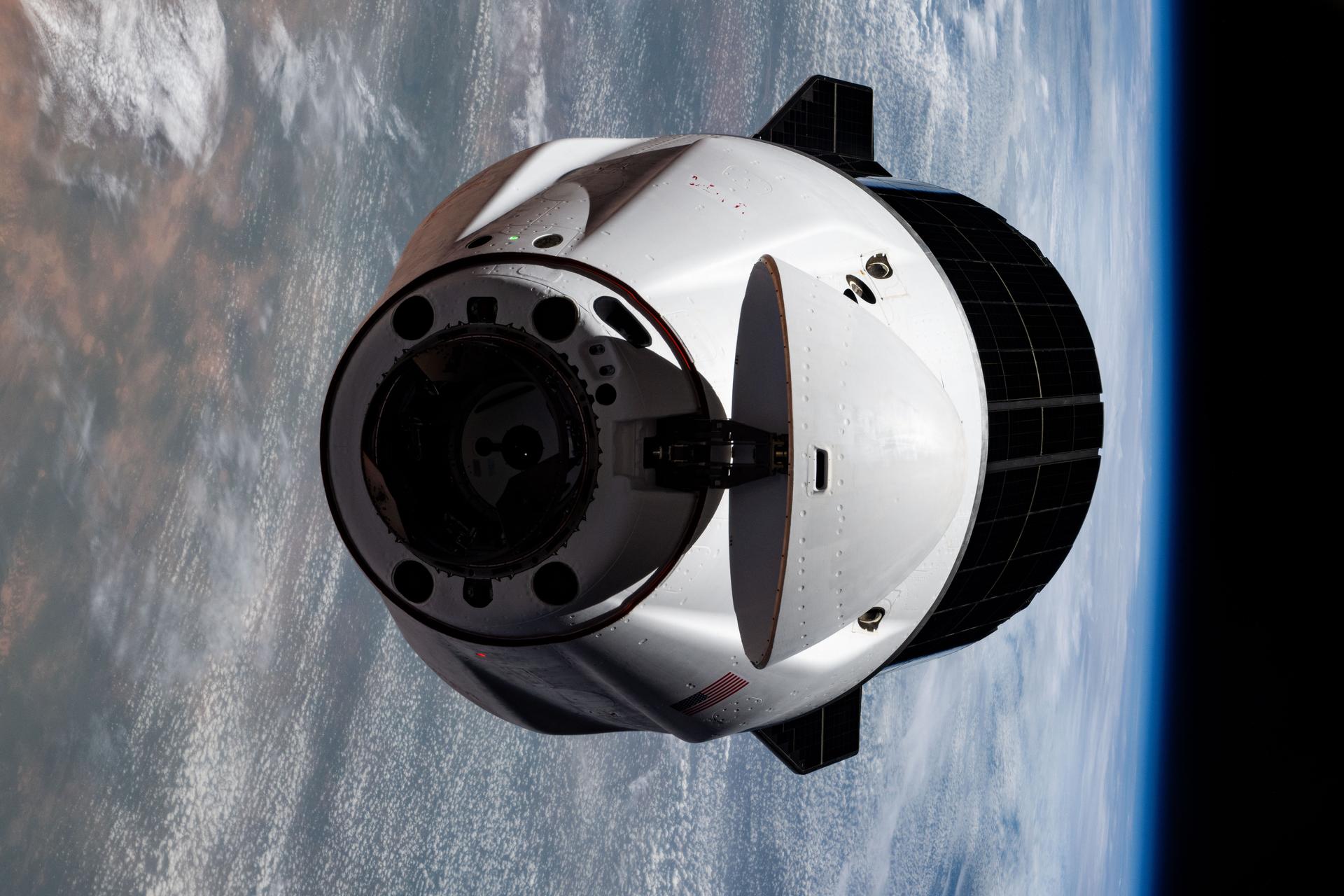
NASA and SpaceX are targeting 7:16 p.m. EDT Tuesday, May 12, for the next launch to deliver science, supplies, and equipment to the International Space Station. This will be the 34th SpaceX commercial resupply services mission to the orbital outpost for NASA. Carrying about 6,500 pounds of cargo, a...
A new “X-ray dot” found by NASA’s Chandra X-ray Observatory – which could look like this artist’s illustration released on April 28, 2026 – could explain what the hundreds or potentially thousands of these objects are. Shortly after NASA’s James Webb Space Telescope started its science observa...
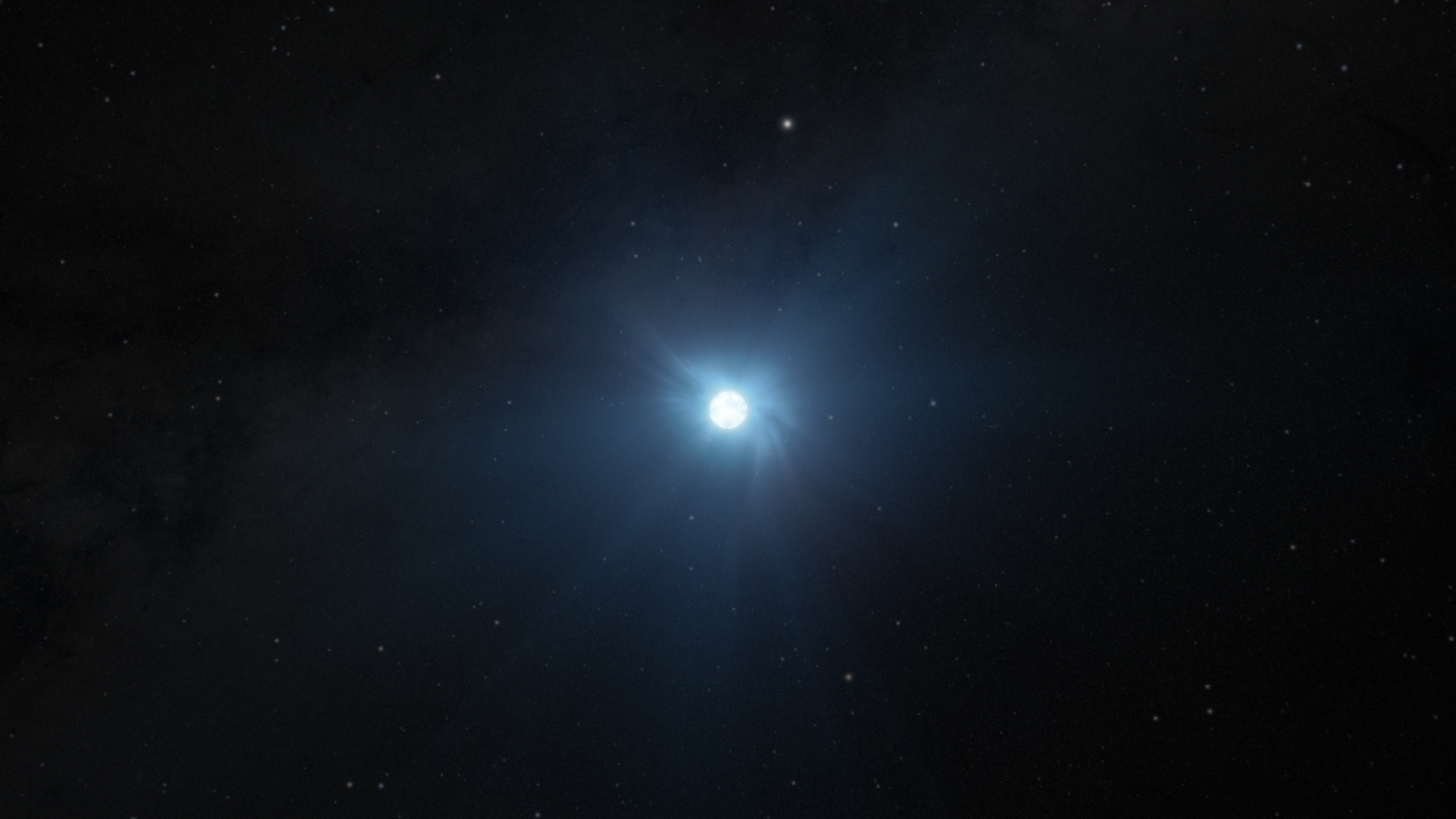
Astronomers have long known that neutron stars, the crushed cores left behind after massive stars explode, should be scattered throughout the Milky Way galaxy. However, most of them are effectively invisible. A new study published in Astronomy and Astrophysics suggests NASA’s upcoming Nancy Grace Ro...
As NASA looks to explore the Moon, Mars, and beyond, researchers must develop materials capable of withstanding the extreme temperatures found in space and on other planets and their moons. In frigid conditions, rubber can shatter like glass, circuit boards may fail, and electrical connections can f...
Near-constant activity continues on the volcano in Russia.
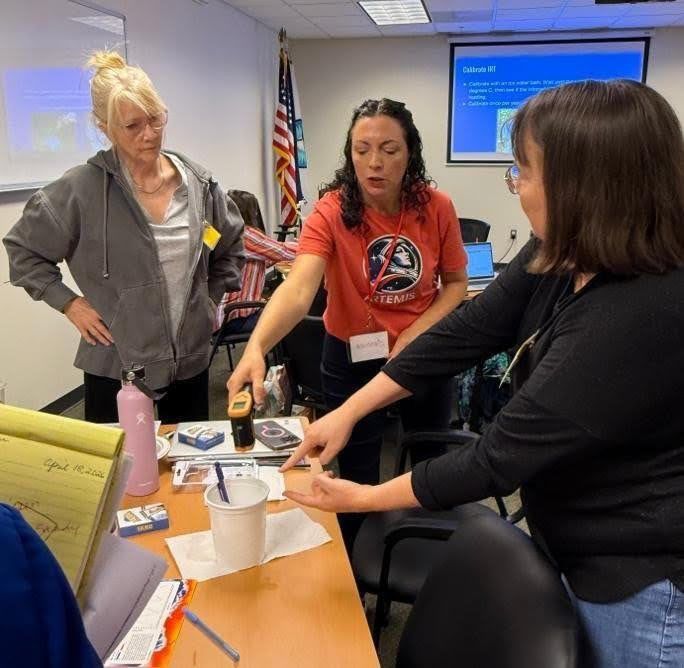
Thirty-eight science educators representing seven school districts across Virginia’s Tidewater region joined forces with community organizations, such as the Elizabeth River Project, to deepen their instructional practice through a dynamic collaboration between NASA eClips and the GLOBE (Global Lear...
Description NASA’s Perseverance Mars rover used its Mastcam-Z camera system to capture this 360-degree panorama of a region nicknamed “Crocodile Bridge” on Jezero Crater’s rim. The panorama is made up of 980 images, 971 of which were taken on Dec. 18, 2025, the 1,717th Martian day, or sol, of the mi...
Written by William Farrand, Senior Research Scientist, Space Science Institute Earth planning date: Friday, May 1, 2026 Chile’s Atacama desert is the driest mid-latitude desert in the world, receiving only 15 millimeters (0.59 inches) of precipitation per year. Only the dry valleys of Antarctica rec...