Every ancient language that has ever been deciphered needed an anchor. Usually that’s a bilingual text, like the Rosetta Stone, or a known relative to compare it to. Linear A, the writing system of the Bronze Age Minoan civilization on the Greek island of Crete, has neither.
Linear A is described as a “language isolate” because it has no confirmed link to any known language, living or dead. As such, it has posed a significant challenge for linguists over the past century.
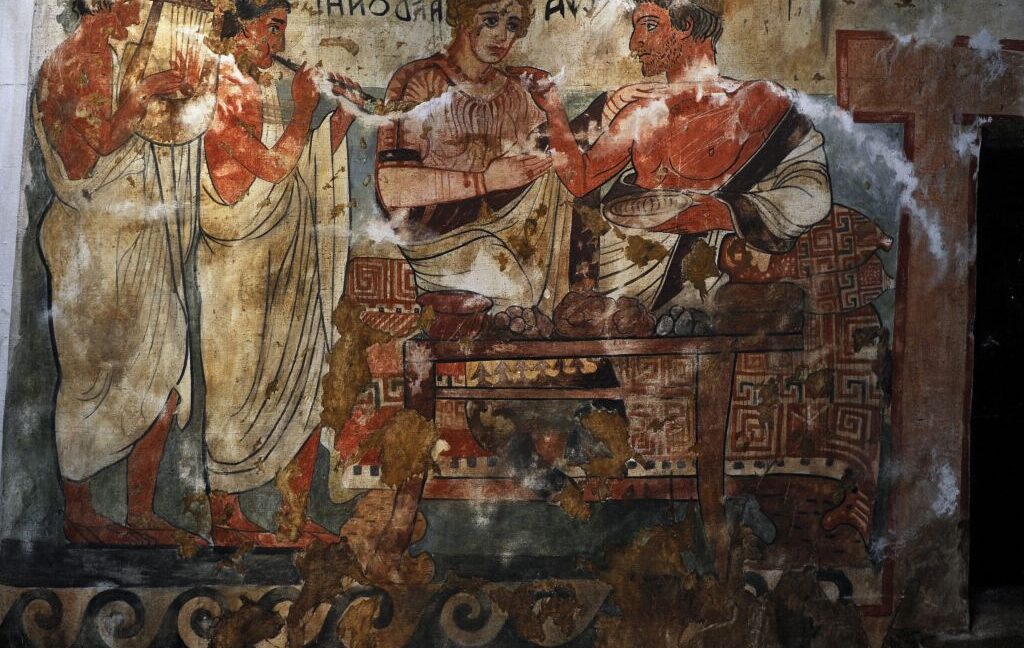
Etruscan, a language of Italy that was used before the rise of the Roman Empire, has fared only slightly better. A partial vocabulary has been collected from short funerary inscriptions, but its grammar and deeper meaning still elude linguists.
This article was originally published by Ars Technica and written by Jane Adkins, The Conversation .
Read original article on Ars Technica