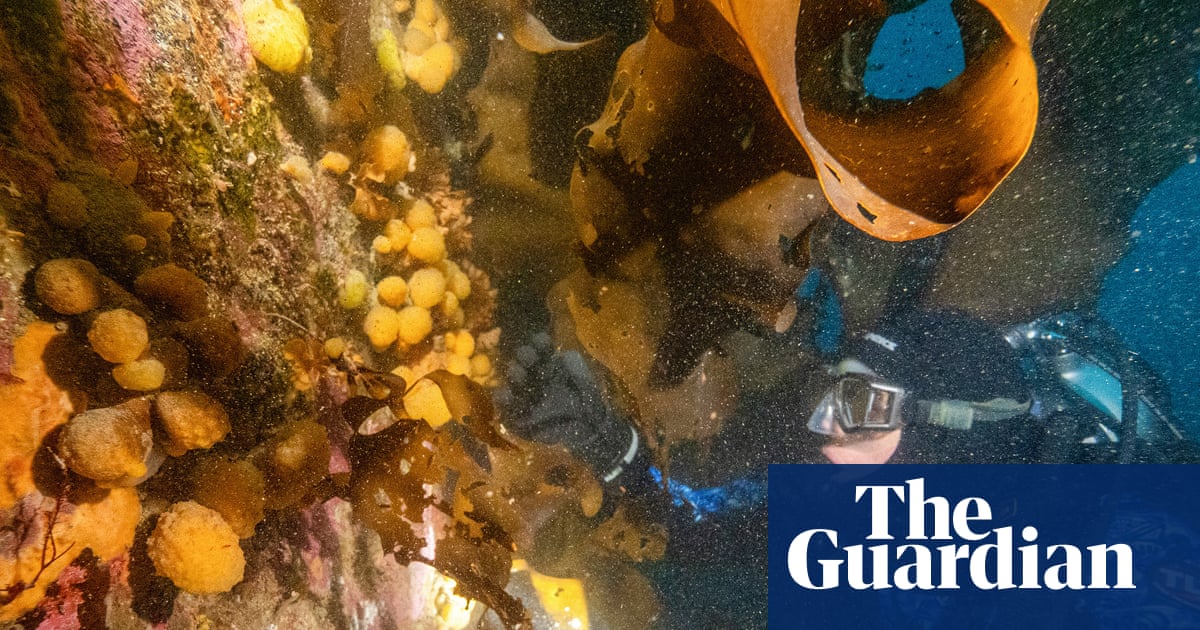
Underwater expedition by Florida-based team supports possible therapeutic use of bacterial toxins from sea squirts
Researchers at a Florida university say bacterial toxins produced by tiny marine organisms they have studied in Antarctica could become an effective treatment for melanoma, the deadliest form of skin cancer.
A team from the University of South Florida (USF) recently returned from a six-week expedition to one of the world’s remotest regions in which they collected samples of ascidians, invertebrates known as sea squirts that thrive in the icy waters.
Continue reading...
TH
Source
This article was originally published by The Guardian and written by Richard Luscombe in Miami.
Read original article on The Guardian