Exclusive: People from deprived and minority ethnic backgrounds have better access to device than for previous technologies
The rollout of a “life-changing” artificial pancreas on the NHS for people with type 1 diabetes has helped to narrow ethnic and socioeconomic inequality within access to treatment, according to figures.
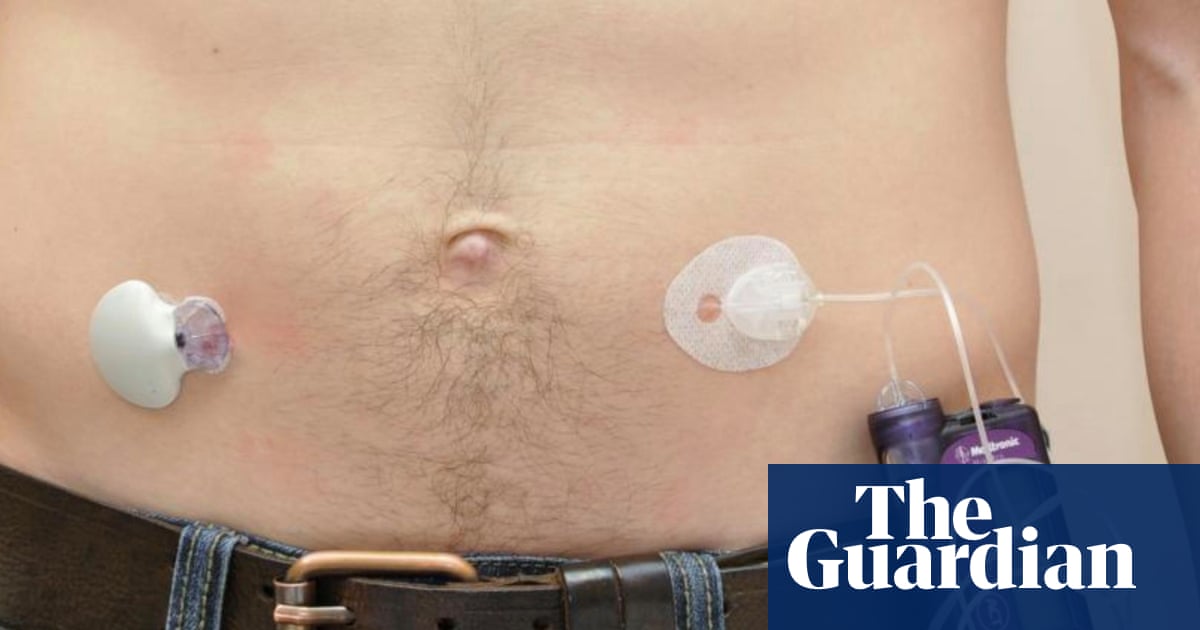
Officially known as a hybrid closed-loop system, an artificial pancreas comprises three interconnected parts: a sensor worn on the body called a continuous glucose monitor; an algorithm either built into the pump or on a separate device such as a phone that calculates the precise dose of insulin needed; and an insulin pump that delivers the dose into the bloodstream.
Continue reading...This article was originally published by The Guardian and written by Tobi Thomas Health and inequalities correspondent.
Read original article on The Guardian